Goodbye Cold Balayage? The New “Warm” Blonde Clients Will Ask For on Monday

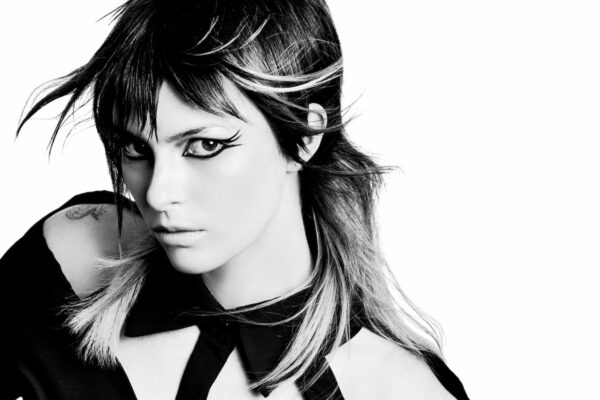
For years, we’ve fought a silent war in the salon. The enemy? “Yellow.” We’ve used gallons of purple shampoo, ash toners, and violet correctors to achieve those Nordic, icy, almost white blondes that have dominated Instagram until yesterday.
But if you are planning your color orders for the January reopening, stop for a second. The wind has changed.
2026 opens with a sharp trend reversal coming straight from the runways and celebrities: the return of Warmth.
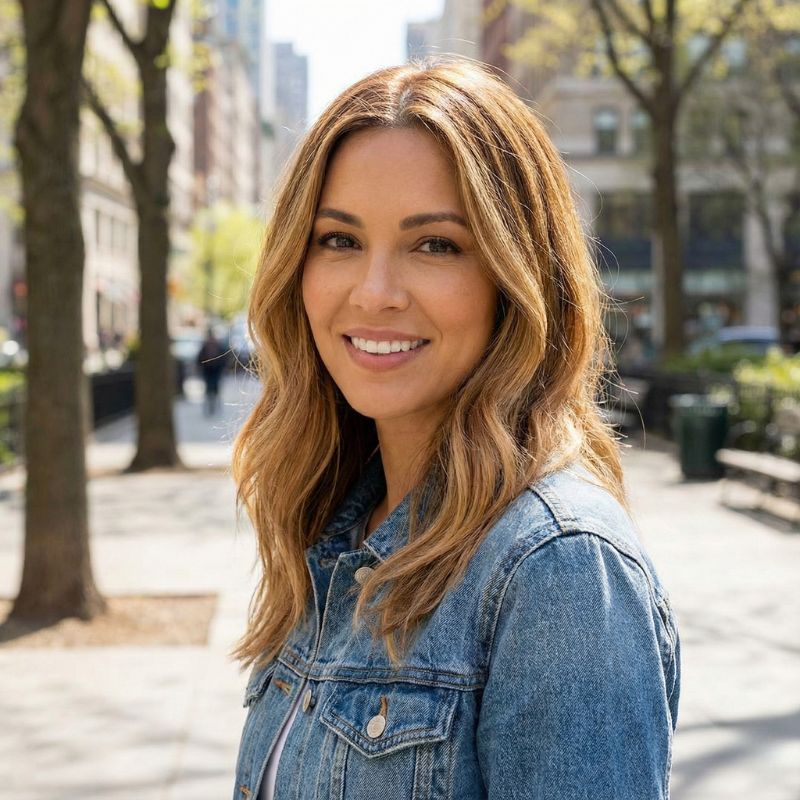
Why is “Ice Blonde” slowing down? Clients are starting to get tired. Cold blonde is hard to maintain, requires extreme bleaching that stresses the hair structure, and, let’s be honest, it dulls many skin tones, making them look grayish. In an era where the trend is “Healthy Hair” (shiny and healthy hair), the super-bleached, matte look doesn’t work like it used to.
What will they ask for starting Monday? Get ready to hear different requests. No longer “take away the yellow,” but “give me more light.” The new names to note down are:
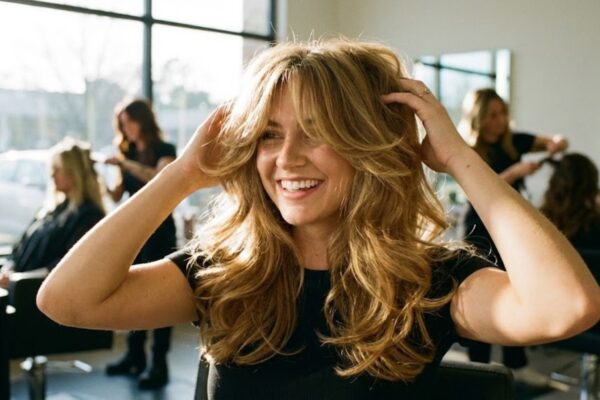
- Honey Balayage: Intense golden reflections, not orange, but rich.
- Cashmere Blonde: A neutral-warm beige, luxurious and soft.
- Golden Hour: That effect hair naturally has at sunset.
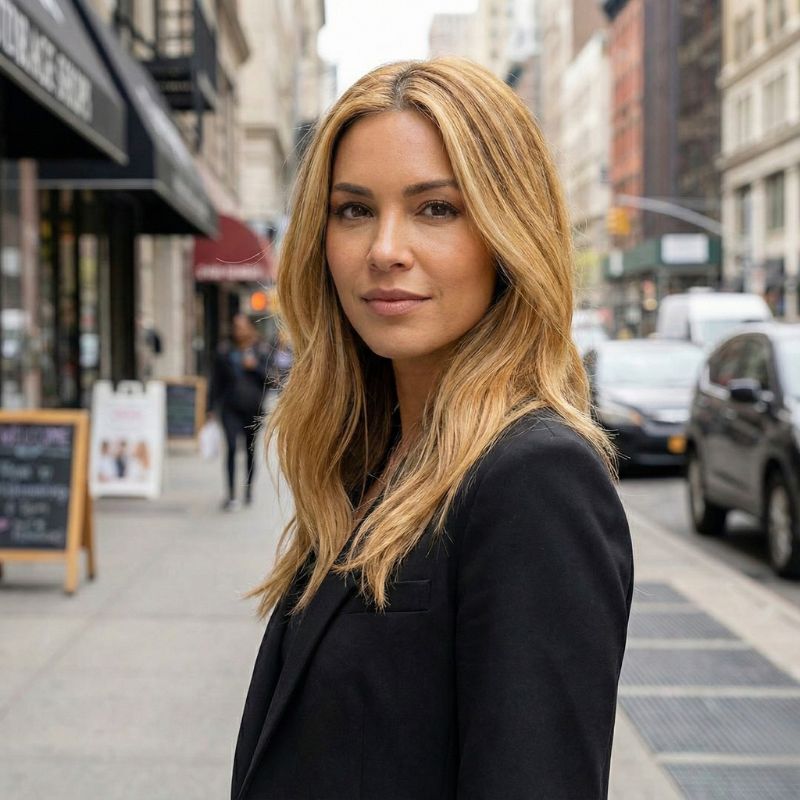
The advantage for the hairdresser This is excellent news for us professionals.
- Healthier hair: We can bleach at lower volumes.
- More Gloss services: Warm blondes fade better but need to be “polished” often.
- Fewer impossible corrections: We won’t have to fight against the natural warmth of the hair, but work with it.
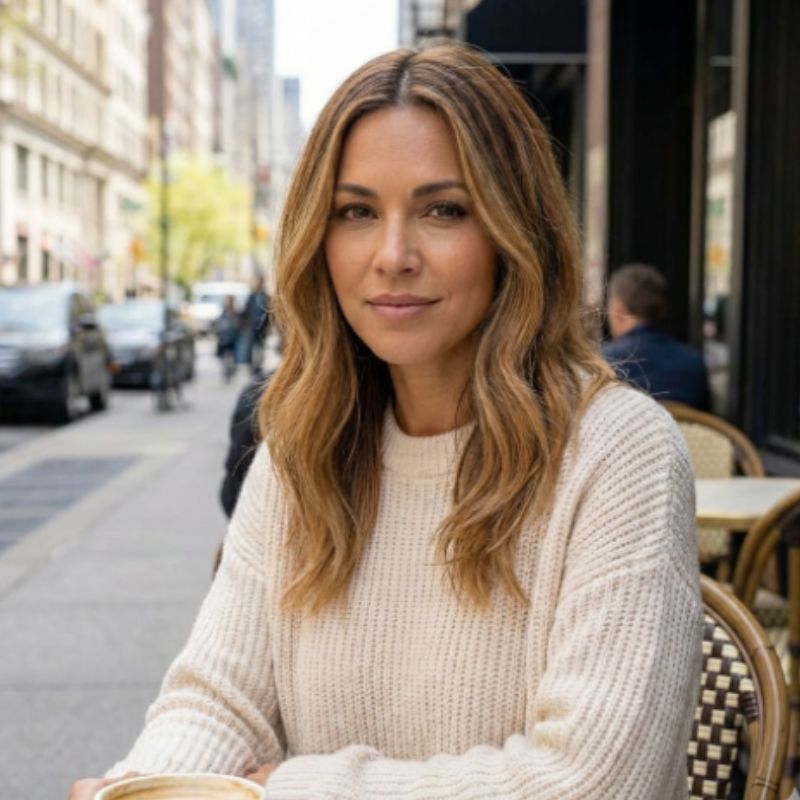
Technical advice Starting Monday, during the consultation, don’t be afraid to propose gold. Explain to the client that warm tones reflect light (so hair shines), while cold tones absorb light (making hair look more matte). If she wants to shine for the new year, there is only one way: warm it up.