Textured Bob 2026: The “Destructured” Cut Dominating Winter Trends | Ultimate Guide
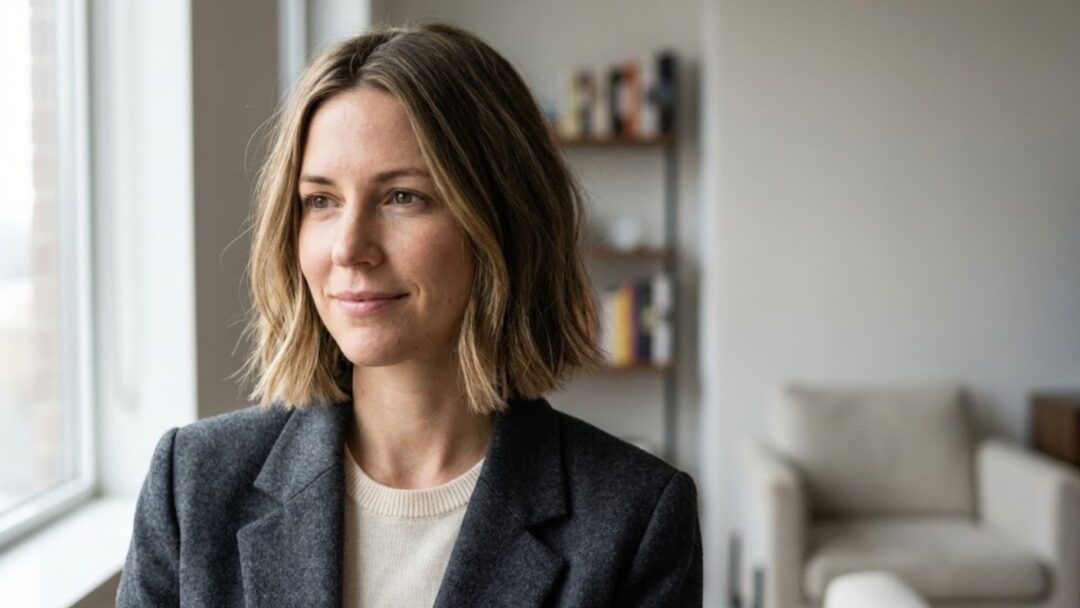
If there is one absolute protagonist among the Winter 2026 hair trends, it is undoubtedly the Textured Bob. Forget the rigid geometric lines and sharp, blunt cuts that dominated previous seasons. 2026 is the year of movement, three-dimensionality, and the “perfectly imperfect” style.
At Il Magazine del Parrucchiere, we’ve analyzed salon requests and international runways, and the verdict is unanimous: the Textured Bob (or destructured bob) is the cut that perfectly blends practicality with the sophistication of Quiet Luxury.
In this article, we analyze exactly what it is, who it suits, and why it’s the cut to bet on right now.
What is the Textured Bob and Why Does Everyone Want It?
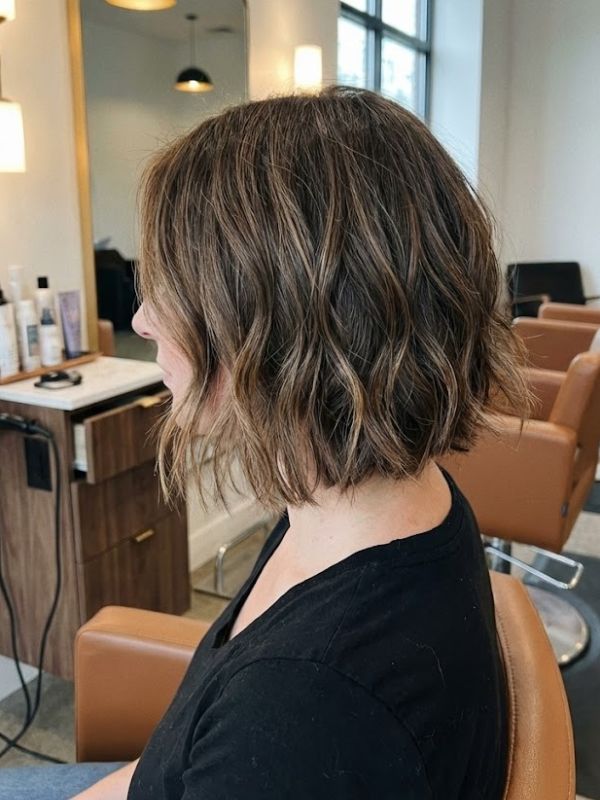
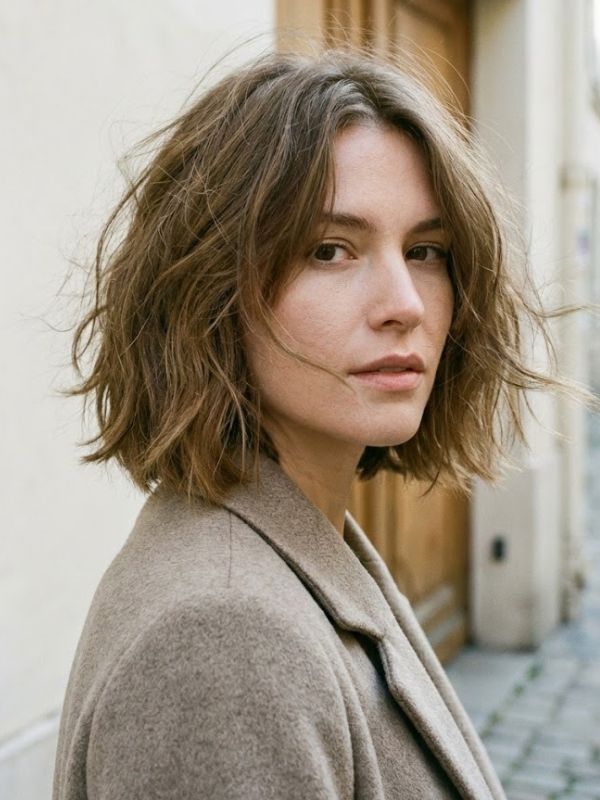
The Textured Bob is the modern evolution of the classic bob. The substantial difference lies in the texture: while the traditional bob relies on full, heavy lines, the Textured Bob is internally lightened.
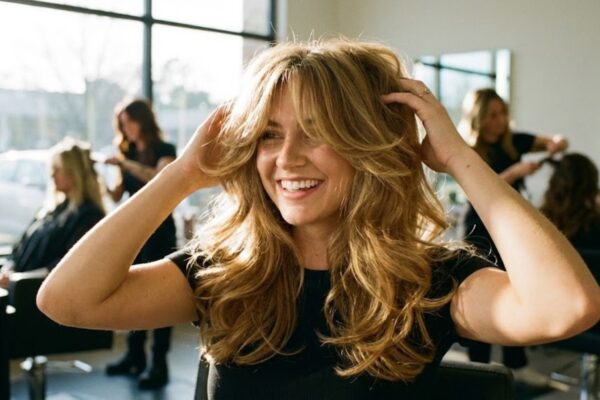
The ends are worked to create soft disconnections, giving the hair a “lived-in,” natural vibe. It is not a static cut; it is a cut that “breathes.”
3 Reasons for the Success of the Textured Bob in 2026:
- Total Versatility: It adapts perfectly to straight, wavy, and even curly hair.
- Immediate Anti-Age Effect: The soft lines around the face sweeten the features, unlike sharp geometric cuts that can harden the gaze.
- Smart Management: It is the perfect cut for the dynamic woman; it requires very little styling time at home.
Who Does the Textured Bob Suit?
The strength of this 2026 hair trend is its democratic nature. Thanks to the customization work of a skilled stylist, the Textured Bob enhances various face shapes:
- Round Face: The long destructured version (Lob) verticalizes the face, optically slimming it.
- Oval Face: The ideal candidate for any length, especially in the French version (shorter at the chin).
- Square Face: Internal layering and “messy” movement soften pronounced jawlines.
- Fine Hair: This is the real game changer. Internal destructuring creates incredible optical volume, making the hair appear fuller and bodied without weighing it down.
Textured Bob vs. French Bob: The Differences
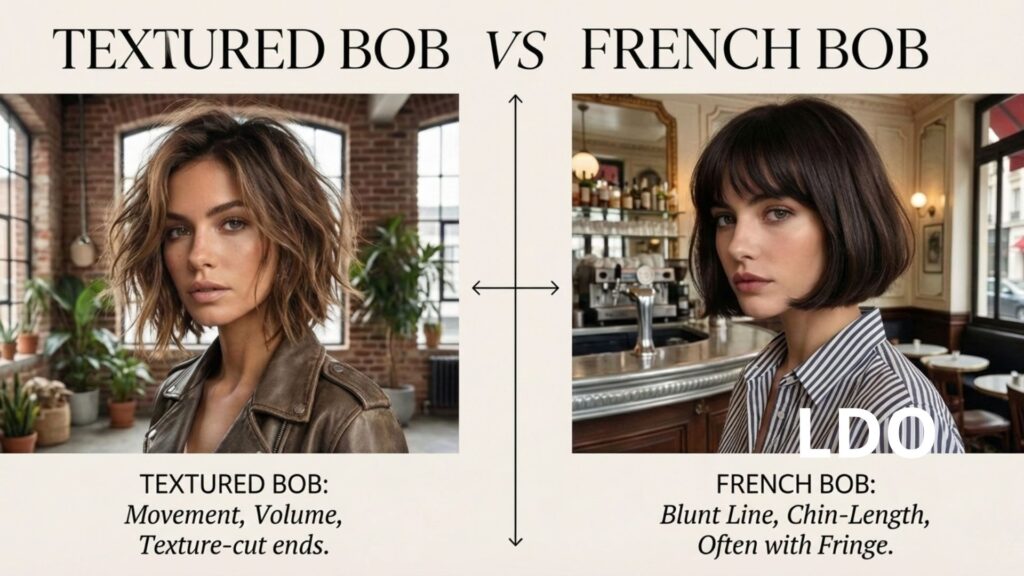
Often confused, these are two different variations of the trend.
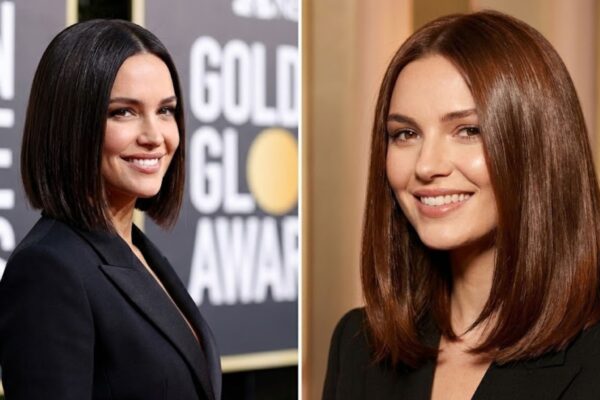
- The French Bob is typically shorter (mouth/earlobe height), often paired with a fringe and a sharper perimeter line, even if dried naturally.
- The Textured Bob plays entirely on thinned-out internal lengths and can reach the collarbones. The focus is on the “matter” of the hair, not the external cutting line.
Pro Tip: How to Maintain the Look
To achieve that “I just woke up like this but chic” look typical of the Textured Bob, the cut is only 50% of the work. The other 50% is done by styling products and care.
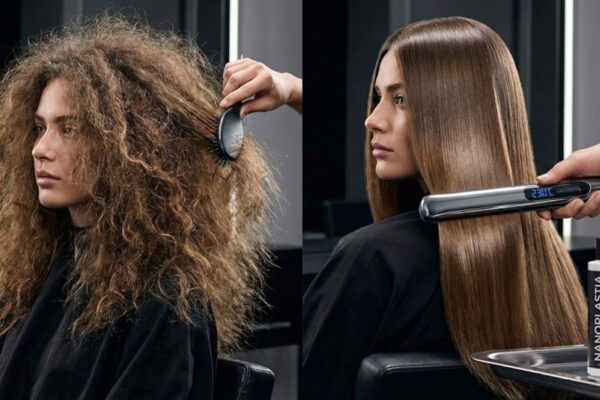
The mistake to avoid? Flattening it with a straightener. The secret to this look is the use of texturizing sprays (sea salt sprays or volumizing powders) and matte waxes. Drying should be natural, preferably with a diffuser to enhance the hair’s native movement.
Is It Time to Make the Cut?
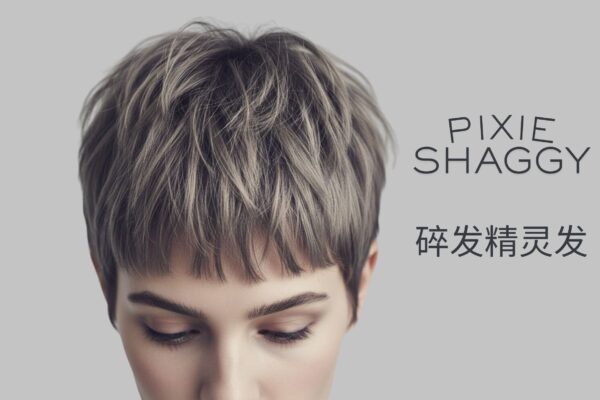
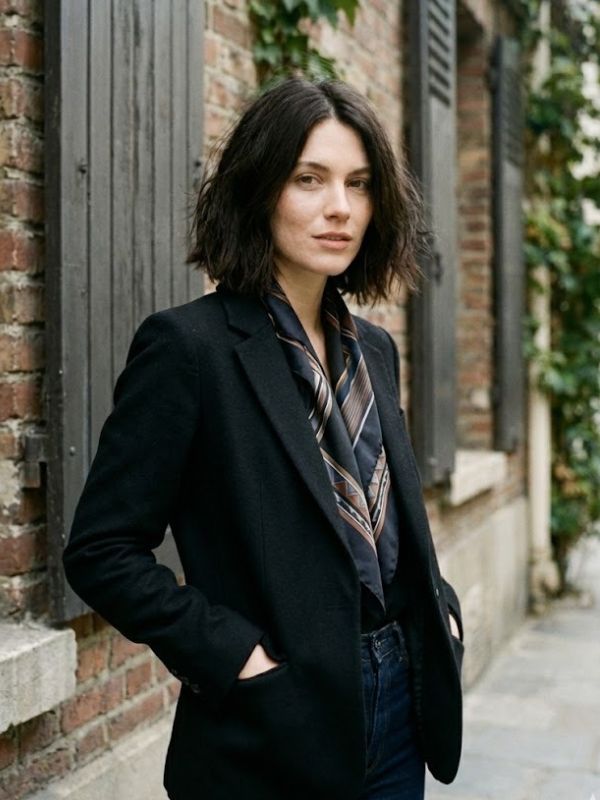
If you are looking for a change that isn’t as drastic as a pixie cut but has much more character than a classic medium length, the Textured Bob is the answer. It is the symbol of Winter 2026 because it represents freedom: the freedom to move, to not be perfect, and to have an unmistakable style.
Bring this photo to your trusted hairstylist and ask for a personalized version of the Textured Bob. Your image will thank you.
💡 The Stylist’s Corner (Editorial Note)
Are you a professional? To create the perfect Textured Bob, focus heavily on Deep Point Cutting on dry hair. Do not empty the ends too much if the hair is thin; instead, work on the roots and mid-lengths to create support and lift.