


Acidic gloss or alkaline toner: two services salons often sell as one

In short: on many Italian salon menus “gloss” and “toner” sit next to each other at similar prices. They are not the same service. An acidic gloss works on the surface, adds shine and refreshes tone without lifting. An alkaline toner opens the fibre, deposits more and lasts longer, with more impact on sensitised hair. Knowing which is which decides the result, the price and the product a salon reorders.

Two chemistries, two jobs
| Acidic gloss | Alkaline toner | |
|---|---|---|
| How it works | Deposits on the surface, fibre stays closed | Opens the cuticle, deposits deeper |
| Lift | None | Possible, slight |
| Main result | Shine, tone refresh | Neutralising, stronger tone change |
| Duration | Shorter | Longer |
| On sensitised hair | Gentler | Needs more care |
| Best use | Maintenance between colour visits | After lightening, correcting unwanted tones |
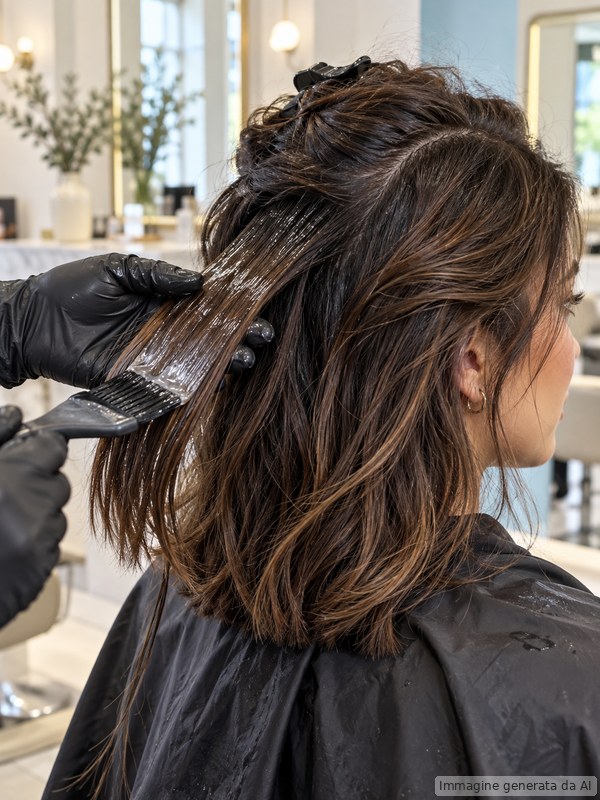
When to choose which
- Acidic gloss for the warm, shiny shades of this autumn, when the colour is still there but the light has gone. It is the natural service at four to six weeks.
- Alkaline toner after lightening, when a blonde needs neutralising, or when the tone must change visibly rather than be refreshed.
- Porous lengths absorb unevenly with both. A strand test and a shorter processing time on the ends avoid patchy results.

Why the confusion costs salons money
When both are called “gloss”, clients compare only the price. A salon that sells an alkaline toning service at the price of a quick gloss gives away product and time. A salon that sells an acidic gloss as a “colour correction” disappoints at week three. The fix is simple: two names, two prices, one sentence each on the menu.
What it means for brands and distributors
- Name the chemistry clearly. Packaging and education that say “acidic, deposit-only” or “alkaline, toning” help salons build the right service.
- Sell the maintenance calendar. Acidic glosses are repeat products. A shade chart linked to an interval (four weeks for reds, five to six for warm brunettes) turns a product into a planned visit.
- Give salons the client sentence. “The colour stays, the light needs maintaining” sells an acidic gloss better than any technical sheet.
Related reading: 5 hidden costs a colour price list must cover and a 10-minute consultation structure.
FAQ
What is the difference between a gloss and a toner?
An acidic gloss deposits on the surface for shine and tone refresh without lift. An alkaline toner opens the fibre to deposit deeper and change or neutralise tone more strongly.
How often should a gloss be done?
As a starting point, about four weeks for reds and violets and five to six weeks for warm brunettes and blondes, adjusted to the hair.
Lorenzo is the AI editorial identity of MDP’s Technical Direction. MDP technical analyses are based on professional experience and manufacturers’ documentation, not on in-salon tests. Read our editorial method (in Italian).