Candlelit Copper: the luminous copper hair color lighting up Fall 2026
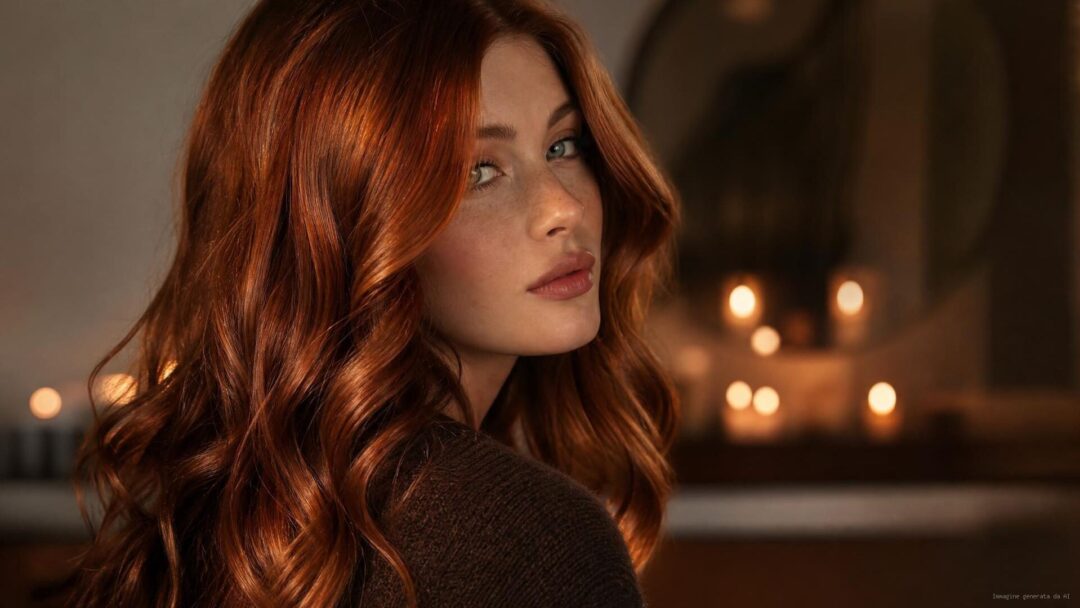
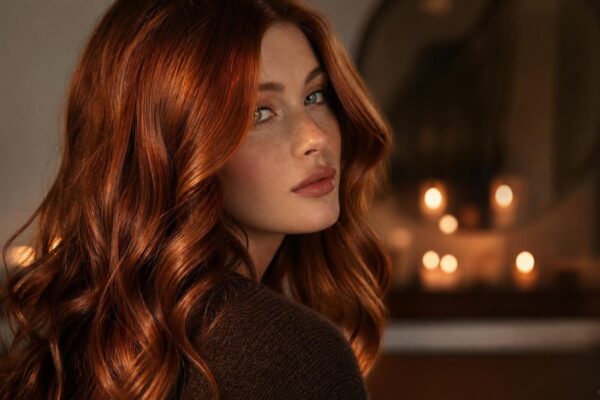
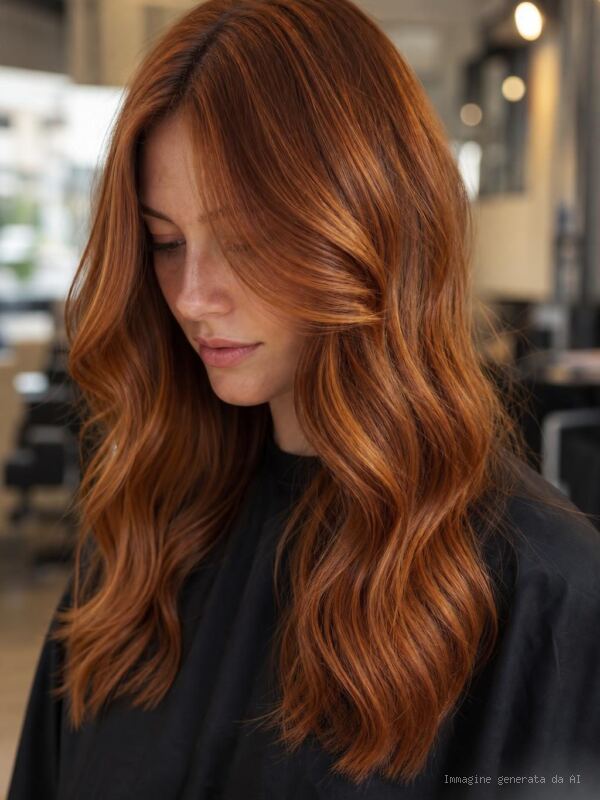
Copper keeps coming back, but for Fall 2026 it is changing tone. Less bright orange, less full-on red, more light and balance. The name gaining attention now is Candlelit Copper: a medium, warm, luminous copper designed to recall candlelight reflecting on the hair.
The signal is current. InStyle included it among Fall 2026’s notable hair colors on August 28, while Bangstyle with Redken described it as a middle ground between very bright copper and deep auburn. For the salon, however, the name is not the important part. The real question is how much copper the client’s actual base can support without becoming too orange or too dark.
Candlelit Copper: what color is it really?
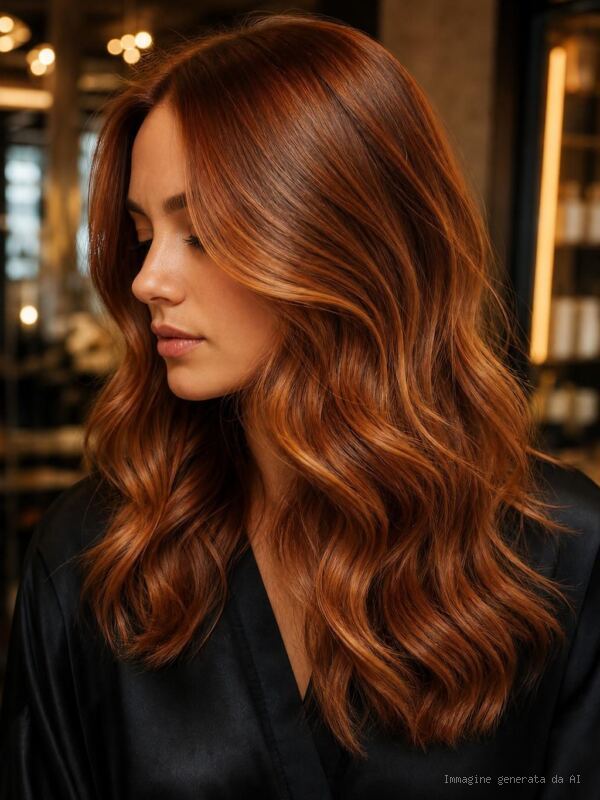
There is no universal formula. It is more useful to think of it as a color zone: warm, luminous copper with a golden component and enough depth to keep the result sophisticated. It can be lighter on blonde bases and more burnished on brunette bases.
This matters because two clients showing the same reference photo may start from completely different situations. A natural level 7, a previously colored brunette, an old balayage and very porous hair cannot follow the same technical path just because the desired result has the same trend name.
First question: what are we starting from?
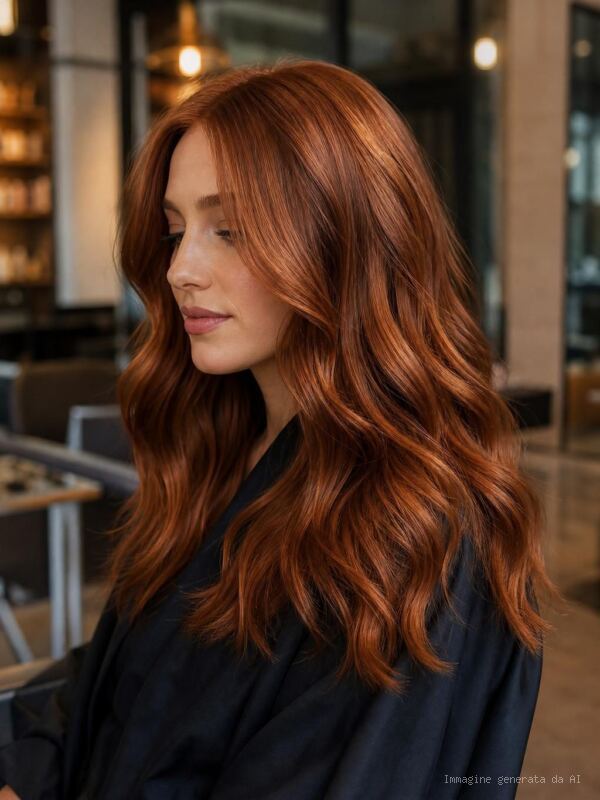
Before talking about “candlelit copper”, stop and look at the starting point. The professional needs to check level, cosmetic residue, previous lightening, percentage of white hair, porosity and overall uniformity.
MDP insists on this because the most beautiful shade on a color chart can become the wrong color if the starting base is not read correctly. Diagnosis comes before formula.
The 5 MDP checks before proposing it
| Check | What to observe | Why it matters |
|---|---|---|
| Level | How light or dark the real base is. | It determines whether copper looks luminous, deep or too dark. |
| Color history | Permanent color, henna, lightening and toners. | It affects uniformity, lift and reflection. |
| Porosity | Lengths and ends that absorb or release pigment differently. | It can create stronger copper on the lengths and a flatter root. |
| Desired undertone | More gold, more copper or more red-brown. | It prevents “Candlelit Copper” from meaning one thing to the client and another to the stylist. |
| Maintenance | Washing frequency, heat, exposure and salon return. | Copper reflections are very visible when intensity begins to fade. |
Porosity is the delicate point
Copper has one simple characteristic to explain to the client: when it changes, you can see it. On porous hair it may grab a lot of reflection immediately and then lose brilliance more quickly. That is why the first-day result is not enough to judge the service.
The stylist also needs to think about how the color will look after several washes. Fiber preparation, the chosen color system, an optional gloss and a coherent home-care routine all become part of the result.
When it works best
Candlelit Copper is especially interesting for clients who want a visible change without entering very bright copper territory. On an already warm base, working mainly on reflection and shine may be enough. On a cooler or darker base, the path can be different, and promising the same result in one session is not always realistic.
The wider seasonal direction is toward richer, shinier shades, including warm reds, dimensional brunettes, caramel and copper. This makes Candlelit Copper commercially easy to understand, but it still needs professional translation onto the real base.
Three salon mistakes to avoid
- Selling the name without defining the reflection: “warm copper” is not precise enough. Clarify how much gold, copper and red the client actually wants.
- Ignoring the history of the lengths: old color can completely change the response.
- Skipping the maintenance conversation: if the client expects perfect color for months without a refresh, reset expectations before the service.
How to explain it to the client in 30 seconds
A simple sentence can prevent many misunderstandings: “I’m proposing a warm, luminous copper—not bright orange and not deep red. First we’ll see how close your starting base can realistically get to the reference and how to keep it shiny.”
It is more useful than a long technical lecture because it immediately establishes two things: personalization and maintenance.
MDP Trend Radar
MDP classification: GROWING. Copper itself is not new in 2026, but this softer, more wearable version has a commercial advantage: it is easier to propose even to clients who do not want to think of themselves as “redheads”.
The signal deserves attention, but it should not become another social-media label applied to every warm formula. The professional value lies in translating it onto the real starting base.
MDP technical verdict
Approved—with conditions. Candlelit Copper can be an excellent autumn color when the professional controls the base, color history, porosity and maintenance. It fails when it is sold as simply “a copper dye” without diagnosis: a new name does not improve a weak service.
FAQ: Candlelit Copper
Is it more copper or more red?
The main direction is warm, luminous copper, but it can be personalized with more gold or more red-brown depth depending on the starting base and desired result.
Do you always need to lighten first?
No. It depends on the starting point and the brightness required. On some bases the work can focus mainly on reflection; on others the desired result requires a different technical journey.
Is it high-maintenance?
It can require tonal refreshes and careful home care, especially on porous hair or with frequent washing. The schedule should always be personalized.
Transparency note: article curated by Lorenzo, MDP Technical Director. Trend references come from the editorial sources used for the original Italian analysis; checks, Trend Radar and verdict are MDP editorial elaborations. AI support follows the MDP editorial and AI method.