

Mushroom Blonde: the beige blonde of autumn 2026 that demands precision
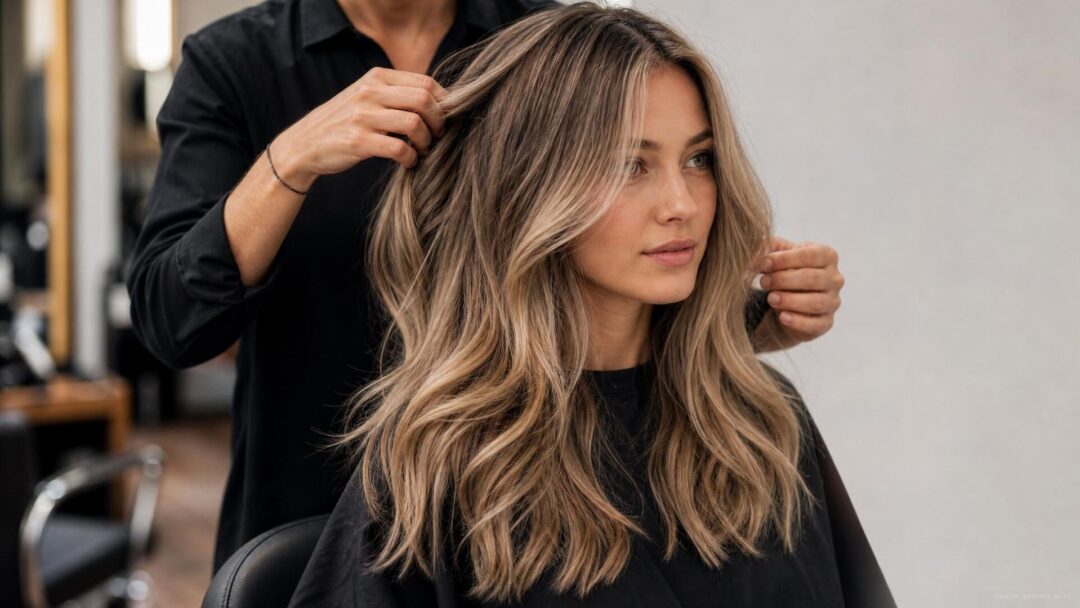
Mushroom Blonde is one of the most interesting blonde directions for autumn 2026 because it looks simple, but it is not. Allure included the shade in its autumn 2026 hair-trend report, describing a neutral, dimensional result built around beige, taupe and soft-root effects. The professional point is exactly this: you do not get a credible Mushroom Blonde by simply cooling down a blonde. You have to control depth, reflection and contrast.
For MDP, the question is not whether Mushroom Blonde is fashionable. The real question is when it can become a technically credible salon solution and when it risks turning flat, grey or dull.
What makes a blonde truly “mushroom”
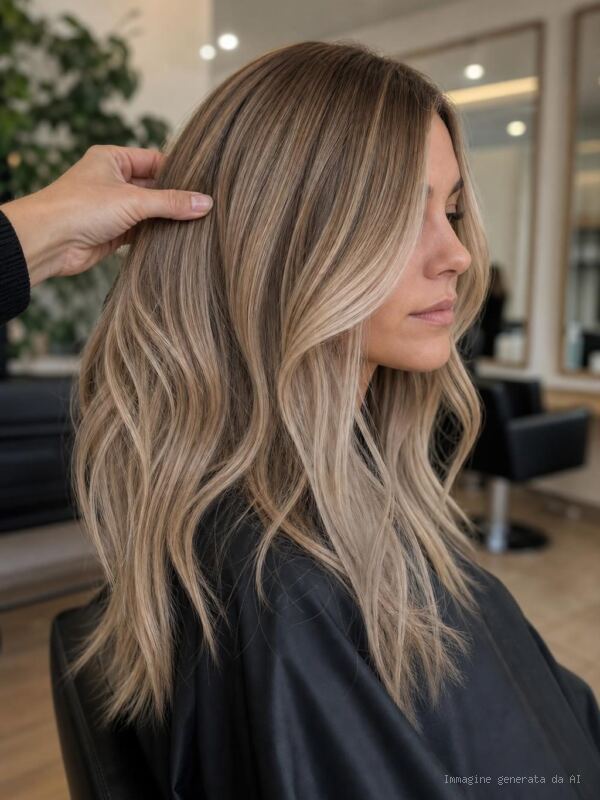
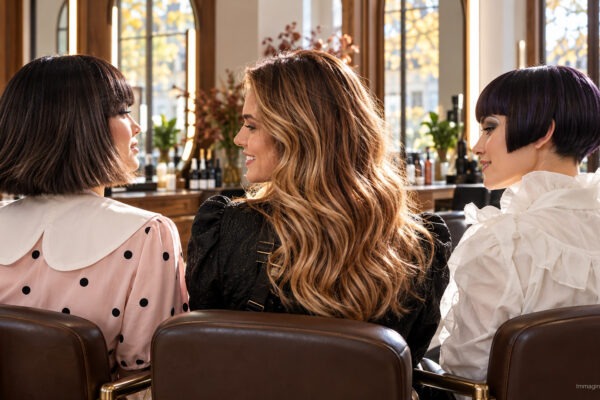
The most useful salon reading is this: Mushroom Blonde sits between a bright blonde and a bronde, with a neutral-cool direction that should never look metallic. Allure points to soft roots, beige and taupe ribbons and a creamy gloss, with no harsh lines. This is not a flat all-over colour: it is a controlled construction of depth and transitions.
That is what separates it from colder, brighter blondes and from warmer autumn tones. With Mushroom Blonde, the main technical risk is not missing a trend label; it is losing three-dimensionality.
MDP Neutrality Check: 4 controls before toning
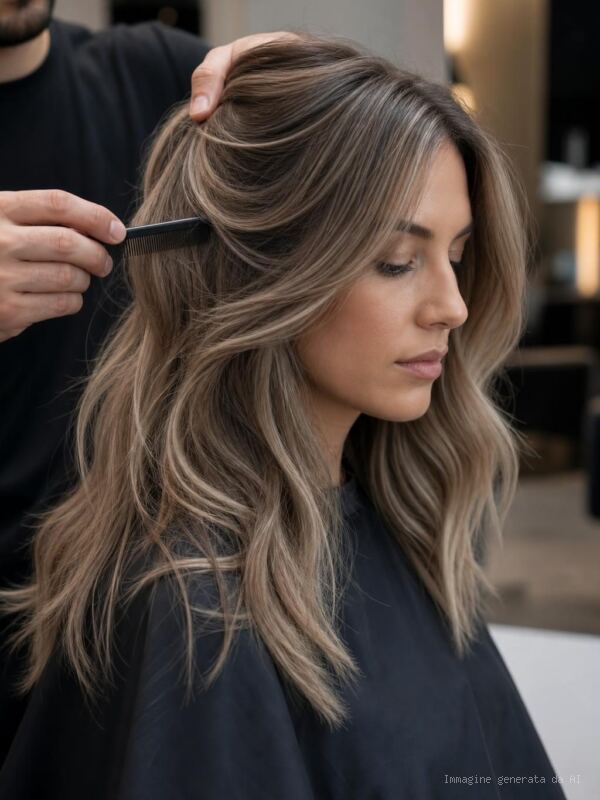
| Control | What to assess | Risk if ignored |
|---|---|---|
| 1. Real starting point | Level, residual warmth, porosity and uniformity | Dirty beige or uneven reflection |
| 2. Depth | How much contrast is needed between root and lengths | Flat, movement-free result |
| 3. Neutrality | Balance between beige, ash and residual warmth | Grey cast or excess warmth |
| 4. Maintenance | Gloss frequency, homecare and tone fade | A colour that only looks good on day one |
The first control is still diagnosis. If the fibre has very different levels of porosity from one area to another, the same formula can deposit differently. The aesthetic decision must come after an honest technical reading of the hair.
When it works best in the salon
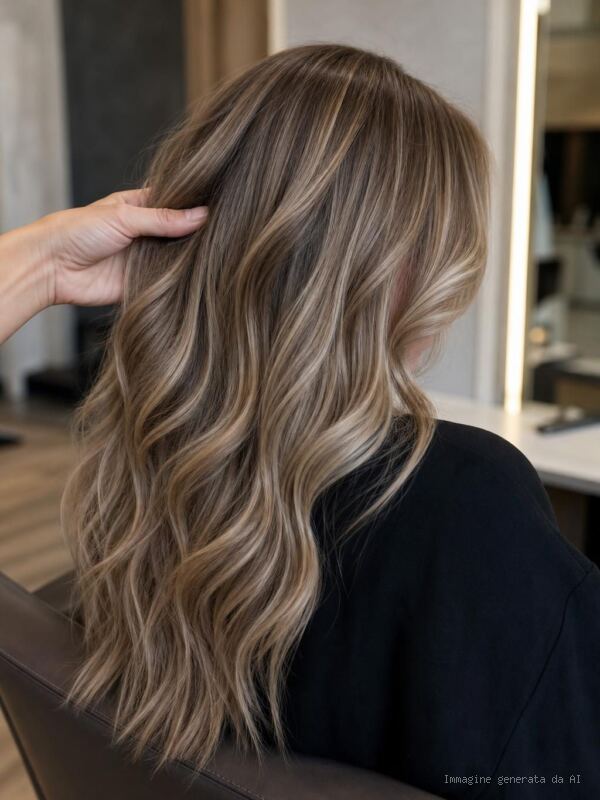
Mushroom Blonde is especially useful in three situations. First, for a blonde client who wants to lower contrast without really going brunette. Second, for a bronde client who wants more light but not an obvious lightening effect. Third, for the transition out of a warm summer blonde when the stylist wants to restore balance without pushing into an extreme cool tone.
In all three cases, the decision must start from the real base and the level of maintenance the client is willing to accept. A client who does not want periodic glossing and tone balancing is not automatically the ideal candidate.
The most common mistake: confusing neutral with grey
When beige is cooled too aggressively on porous or heavily depleted hair, the result can lose naturalness. The stylist must therefore watch not only the tone immediately after application but also how the hair reflects light and how the formula behaves on more sensitised areas.
The opposite error also exists. Too much residual warmth can push Mushroom Blonde toward honey territory. The question is not “more ash or less ash”, but how far to neutralise without erasing depth and softness.
How to present it to the client without selling a trend name
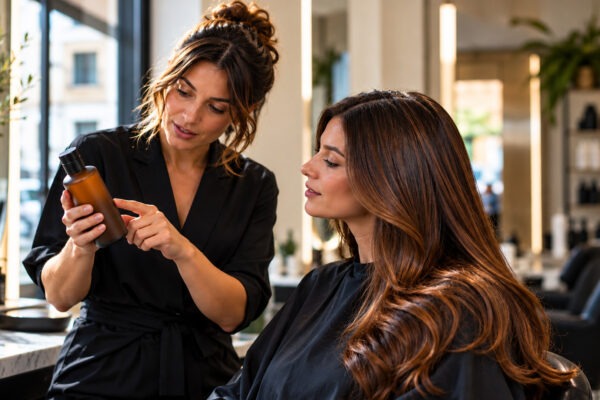
“Mushroom Blonde” is useful for Search and social, but in consultation it must be translated into visible outcomes: soft root, neutral beige, low-to-medium contrast and a clear maintenance plan. The trend name never replaces an explicit agreement on result, limits, time and upkeep.
MDP checklist before toning
- Check the lightening level and residual warmth area by area.
- Assess porosity and reduce the risk of over-deposit on sensitised zones.
- Define the contrast between root, mid-lengths and ends before formulating.
- Agree gloss frequency and homecare with the client before promising the final result.
Two frequent technical questions
Does Mushroom Blonde have to be cool?
No. It should read as neutral-beige. Too much ash kills softness; too much warmth moves the result toward honey or champagne blonde.
Do you always have to lighten?
No. On a base that is already light enough, balancing depth and reflection may be sufficient. On darker bases, the decision depends on the starting level, fibre integrity and the agreed target.
MDP verdict: approved with conditions
Approved with conditions. Mushroom Blonde can be a strong autumn salon service because it can transform a summer blonde into something softer and more sophisticated without necessarily going much darker. But it only works when the salon controls four variables: starting point, depth, neutrality and maintenance.
The repeatable criterion is simple: if the result remains readable across three levels — root, mid-zone and light — the colour keeps its dimension; if everything collapses into one beige, the trend has been copied but the technical project is weak.
Transparency note. Article curated by Max Randi for MDP with AI support for research, structure and editorial control. The technical guidance is an MDP professional reading of the trend, not a universal colour formula.