

Butterfly Bob 2026: Who It Suits by Face Shape and Hair Type
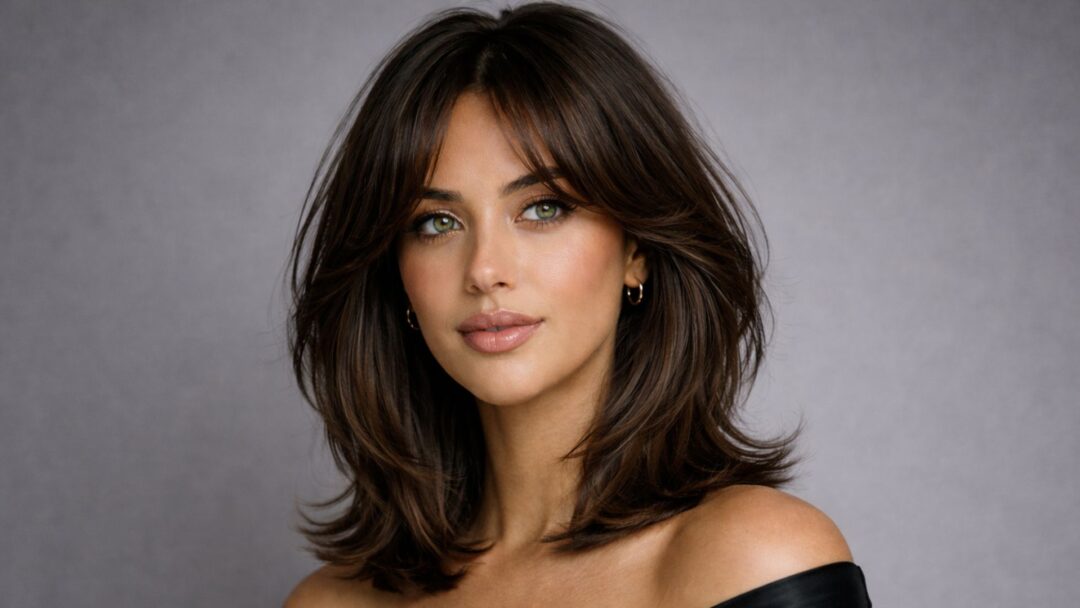
The Butterfly Bob 2026 works best when its layers are adapted to face shape, hair density and natural texture. Round faces usually benefit from more vertical movement, square faces from softer face-framing layers, while oval faces can carry most variations. On fine hair the layering should preserve density; on thick hair it can remove excess weight and create movement.
So, who does the Butterfly Bob 2026 suit? Let’s break down the technicalities.
1. The Round Face: Verticalization is Key
For clients with a round face, the goal is to reduce lateral volume and create an elongated silhouette.
- The Technique: We focus on “verticalizing” the cut. By keeping the side layers flatter and adding volume at the crown, we stretch the face’s appearance.
- The Result: A slimmer, more balanced facial structure that doesn’t feel “boxed in” by the hair.
2. The Square Face: Softening the Angles
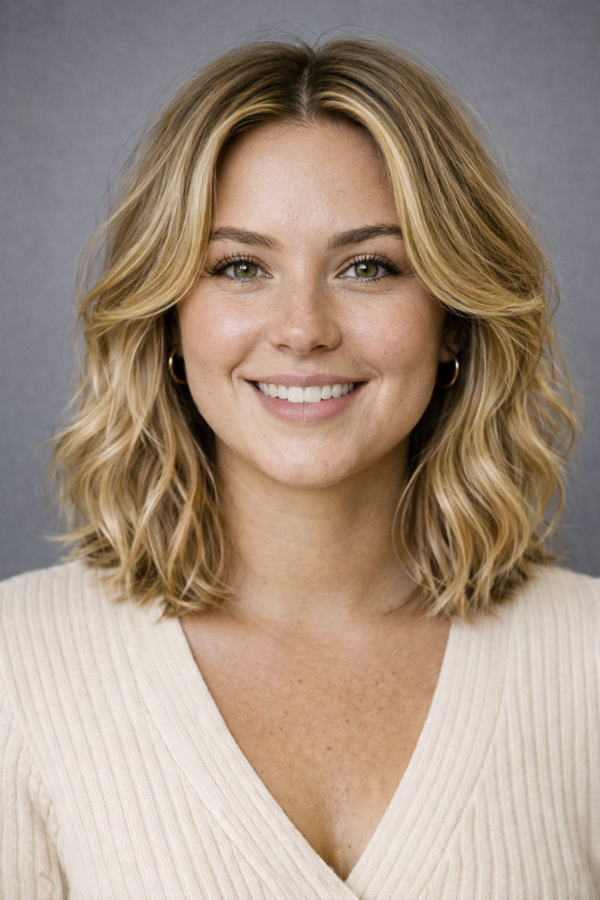
If your client has a strong jawline or a broad forehead, the Butterfly Bob acts as a softening agent.
- The Technique: Use wispy, feathered layers that hit just below the jawline. Avoid blunt ends. The “wings” of the cut should curve inward to mask the sharpness of the bone structure.
- The Result: A more feminine, harmonious look that rounds out the facial corners.
3. The Oval Face: The Perfect Canvas
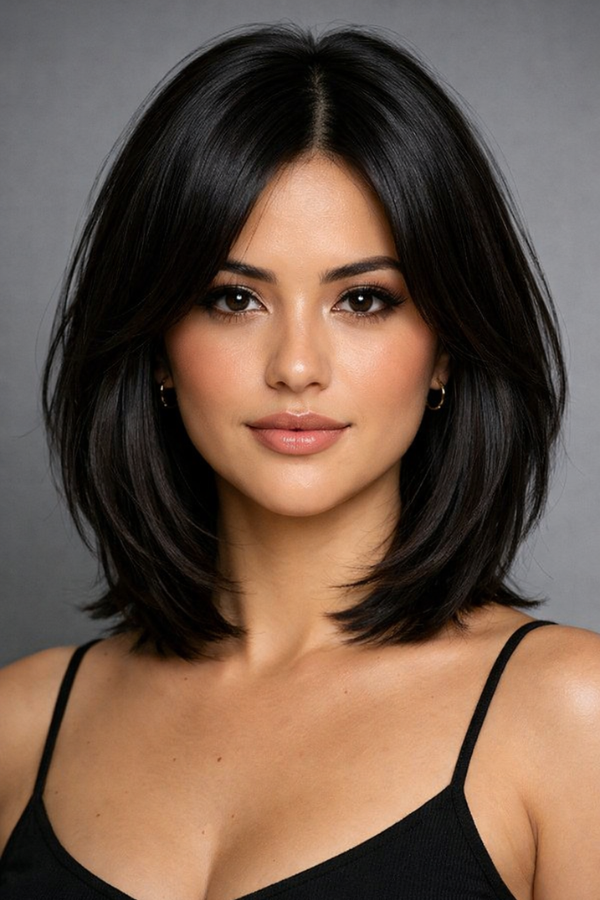
As with most styles, the oval face can carry almost any variation of the Butterfly Bob.
- The Technique: You have the freedom to experiment with volume placement. Whether you want to emphasize the cheekbones or the eyes, the Butterfly Bob’s layers can be tailored to highlight the client’s best features.
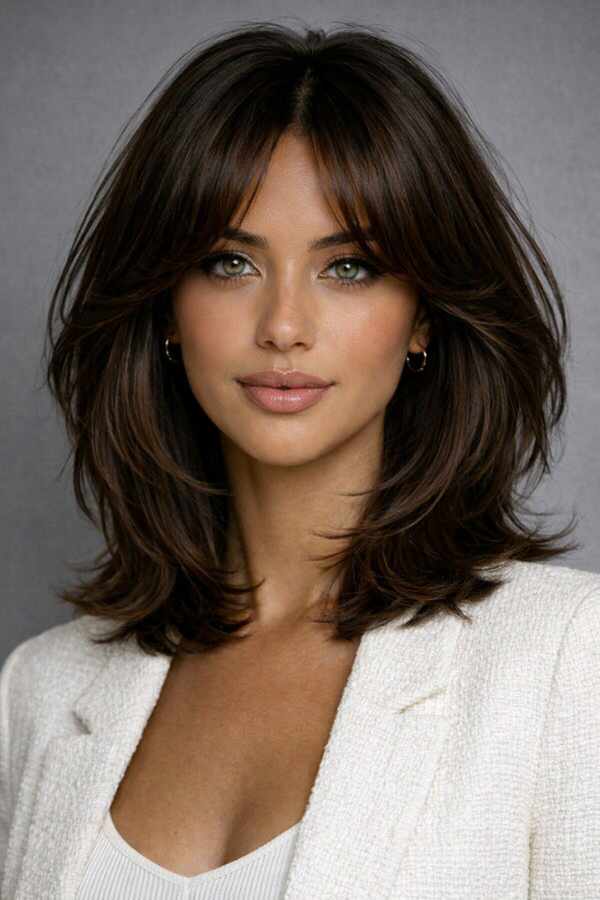
Hair Texture Matters
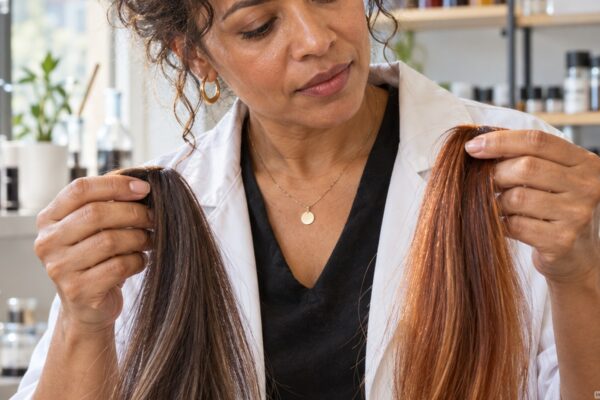
- Fine Hair: The Butterfly Bob is a miracle worker for thin hair. The strategic layering creates an illusion of density and “body” that a blunt bob often lacks.
- Thick Hair: For denser manes, internal thinning is essential. We remove weight from the mid-sections to ensure the “butterfly wings” have movement and don’t become a heavy, unmanageable mass.
Professional Verdict
The Butterfly Bob is arguably the most versatile cut of the season. Its success lies in its customization. By adjusting the starting point of the layers and the weight distribution, you can make this trend work for virtually any client walking into your salon in 2026.
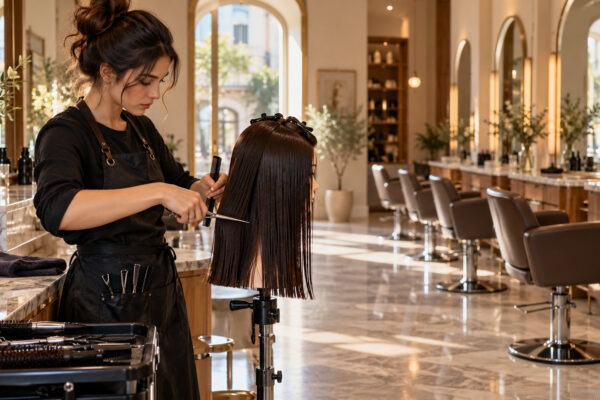
Are you a hairstylist? The consultation is where the cut is decided: assess face shape, density, texture and styling habits before choosing where the layers should begin. If your client wants a more undone result, compare it with our Textured Bob 2026 guide.
Butterfly Bob 2026: frequently asked questions
Does a Butterfly Bob suit a round face?
Yes, when the shape is adapted correctly. Keeping excess width away from the sides and creating movement around the crown and face can make the result more balanced.
Is a Butterfly Bob good for fine hair?
It can be, but the layers should not remove too much weight from the ends. Strategic face-framing and controlled layering can add movement without making fine hair look thinner.
Butterfly Bob or Butterfly Cut: what is the difference?
The Butterfly Bob keeps the layered, winged movement of a Butterfly Cut but on a shorter bob-length shape. The classic Butterfly Cut is usually longer and allows more cascading layers through the lengths.