

Italian salon prices: what 1,006 salons tell brands and distributors
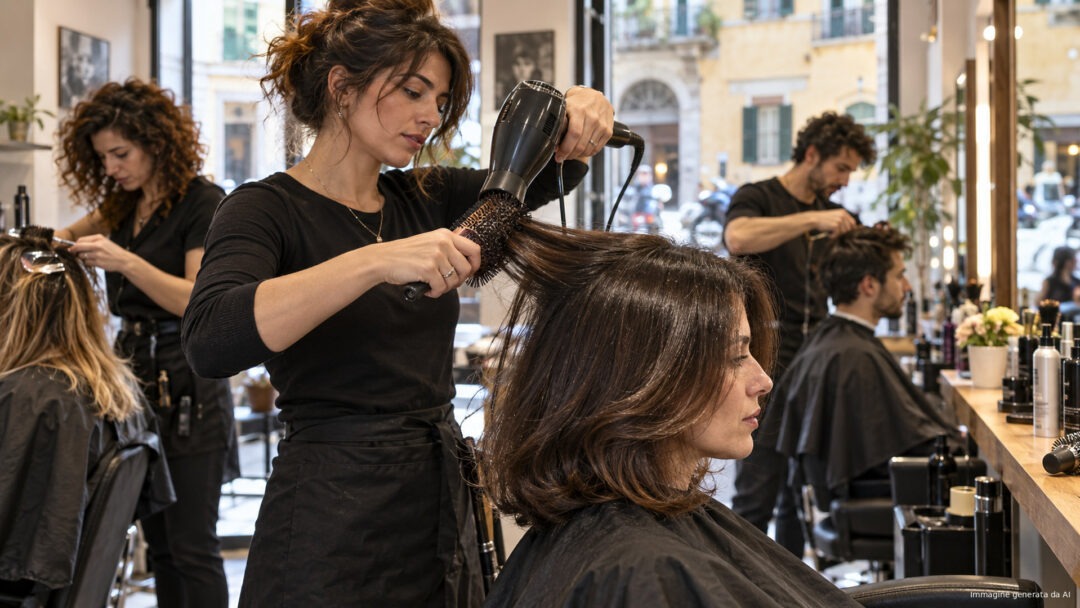
In short: MDP Outlook has tracked published blow-dry prices in 1,006 Italian salons. The average is €21.13 and the median €20. For professional hair reconstruction, 178 public prices give a median of €30 and an average of €35.96. For a brand or a distributor working with Italian salons, three things follow: the everyday service is cheap, the margin sits in technical services, and the way a service is named and explained moves its price more than the city does.
The numbers in one table
| Indicator | Blow-dry | Hair reconstruction |
|---|---|---|
| Observations | 1,006 salons | 178 public prices |
| Average | €21.13 | €35.96 |
| Median | €20 | €30 |
| Lowest–highest observed | €8–€53 | €8–€95 |
| Low end | 39.8% below €20 | 41% below €30 |
| High end | 12% at €30 or more | 25.2% at €50 or more |
The everyday service is an entry ticket
In Italy the blow-dry is the service clients use to compare salons, and it is priced like it. Half of the panel sits between €16 and €25. Almost four salons in ten publish a price below €20.
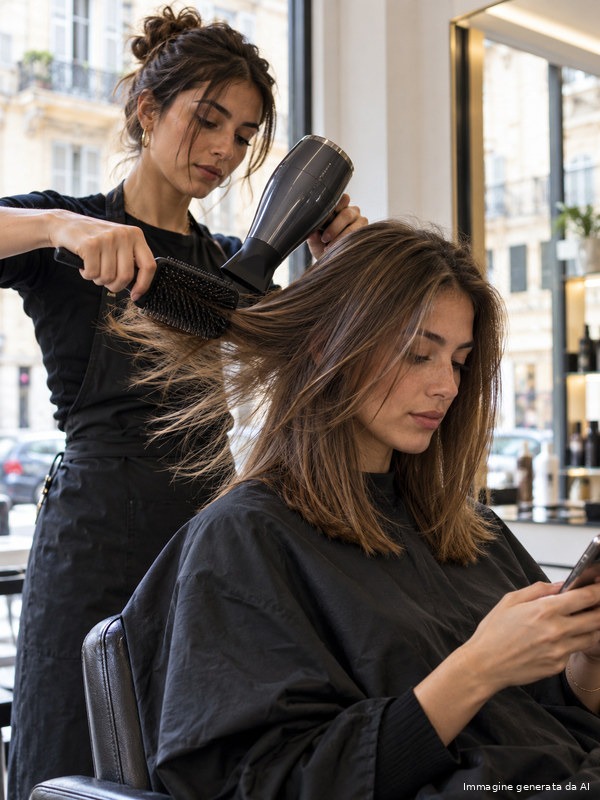
That has a direct consequence for anyone supplying the salon. A product used on every client has to make sense against a €20 service. If the cost per application is high, the salon either stops using it or stops pricing it in. Styling lines that win in Italy are usually cheap per use and earn their place through retail, not through the chair.
One country, several markets
The national average hides wide gaps. Milan averages €26.63 across 121 salons, Rome €20.05 across 107, Naples €15.63 across 59. A blow-dry in Milan costs about 70% more than in Naples.
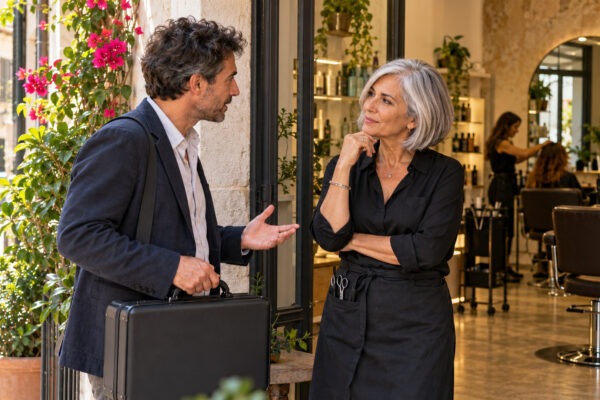
For a distributor, a single national price list and a single promotion calendar will fit one part of the country and miss the rest. Sell-out expectations, retail price points and education formats need to follow the local price level, not the Italian average.
The value sits in technical services
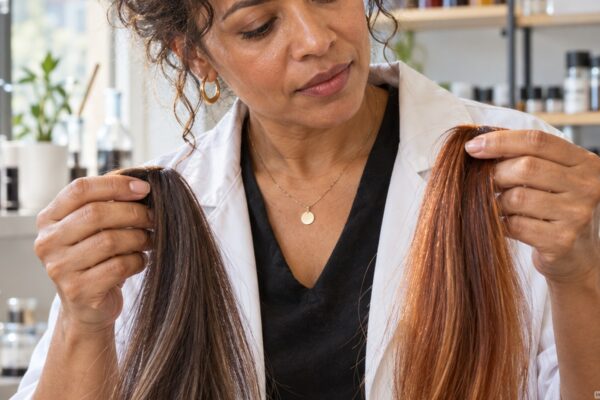
Reconstruction tells a different story. The median is €30, but a quarter of the observed prices are €50 or more. The same word covers very different offers: a quick add-on after colour in one salon, a longer protocol with diagnosis, several steps and home care in another. The salons at the top of the range are not selling a product. They are selling a defined service with a name and an explanation.
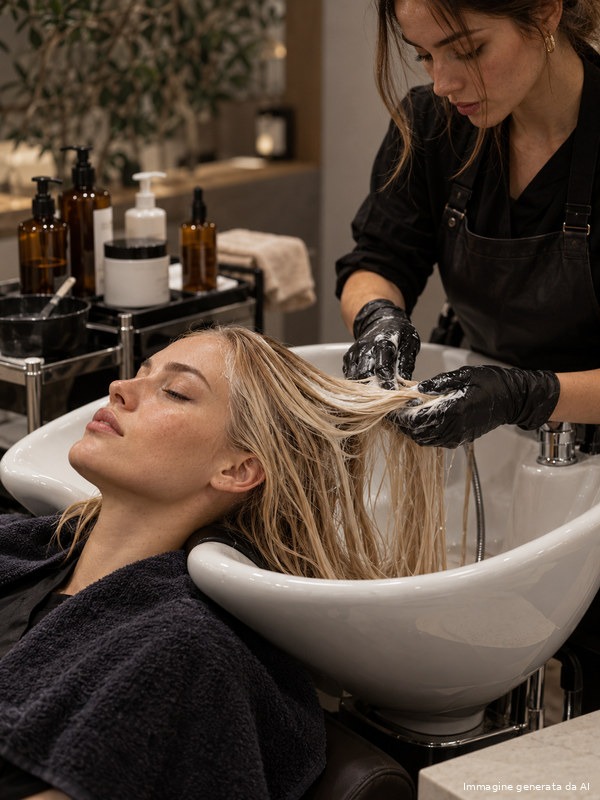
This is where a brand can build value in the Italian channel: education, a clear service name, a method that a salon can repeat and explain to the client in two sentences.
The brand is already on the price list
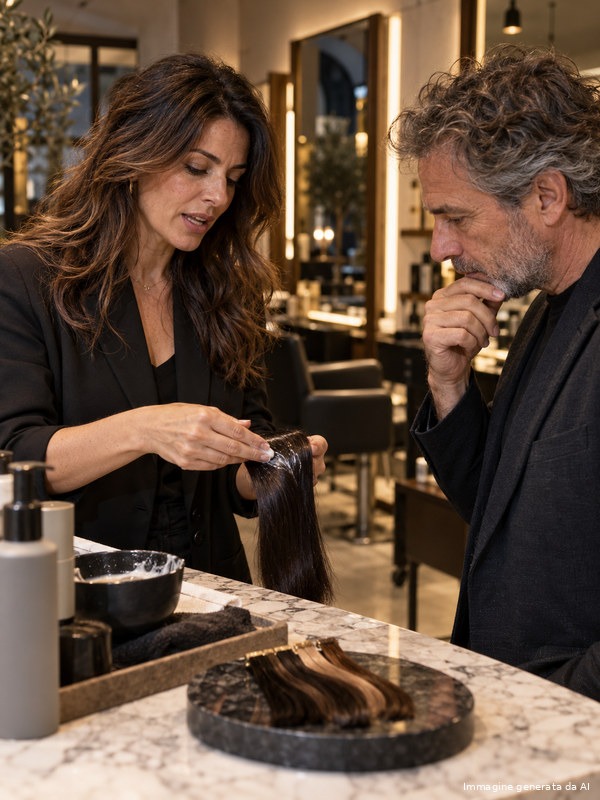
In public salon menus MDP found brand names used directly in the name of the service: Olaplex, Davines, Nashi, Joico, Redken, Wella, Kérastase and L’Oréal among them. A brand named on the salon’s own price list is visible at the moment the client decides to pay. For a distributor or an importer it is also a useful test: Italian salons only put a name on their menu when they think it helps them sell.
The industry behind these prices
Italian professional haircare manufacturers are growing, and much of the growth comes from abroad. According to Pambianco Beauty, five Italian companies (Alfaparf Milano, Davines, Pettenon, Kemon and Lisap) together passed €1 billion in revenue in 2025. Pettenon makes about two thirds of its turnover outside Italy. At home, MDP reads the salon market as growing in value rather than in volume: fewer extra services, but services worth more. That is the background against which an Italian brand presents itself to a foreign partner.
What to do with this data
- Price per service, not per bottle. Calculate the cost per application against a €20 blow-dry and a €30 reconstruction before setting trade prices for Italy.
- Bring a protocol, not just a product. The salons that charge €50 and more sell steps, a name and a client explanation. Give them all three.
- Segment by area. Milan and Naples need different offers, different promotions and different sell-out targets.
- Tell the Italian story accurately abroad. Made in Italy professional haircare is built on technique and method in salons where everyday services are moderately priced. It is not a luxury-pricing story, and partners who know the market will notice if it is told as one.
What the data measures, and what it does not
MDP Outlook records prices that salons publish online: websites, price lists and booking platforms. It does not measure services actually sold, revenue, salon margins or the technical quality of a treatment. Booking platforms over-represent digitally active salons, and many prices are “from” prices that change with hair length and product quantity. The data are built for pricing intelligence and market positioning, not as a census of the Italian sector. Method and limits are explained in the reconstruction benchmark.
Related reading: what 1,006 salons tell us about price lists, how much a salon chair should earn per hour, the hidden costs behind colour pricing and how geopolitics is reshaping the B2B haircare market.
FAQ
How much does a blow-dry cost in an Italian salon?
In the MDP panel of 1,006 salons the average published price is €21.13 and the median €20. Half of the salons charge between €16 and €25.
How much does hair reconstruction cost in Italy?
Across 178 public prices the median is €30 and the average €35.96. A quarter of the offers are priced at €50 or more, usually as structured protocols rather than add-ons.
Can MDP run the same analysis for a specific brand or market?
Yes. MDP Outlook prepares company-specific analyses of the Italian salon market on request. Contact MDP.
Sources: MDP Outlook, blow-dry price panel, 1,006 salons (Italian), September 2026; MDP Outlook, hair reconstruction prices, 178 public observations, data collected 13 September 2026; Pambianco Beauty, Italian haircare leaders pass €1 billion, September 2026.
Max Randi is an MDP AI editorial identity. Read our editorial method and source verification (in Italian).