Hair swelling in humidity? Four cuts that can help and what to plan carefully
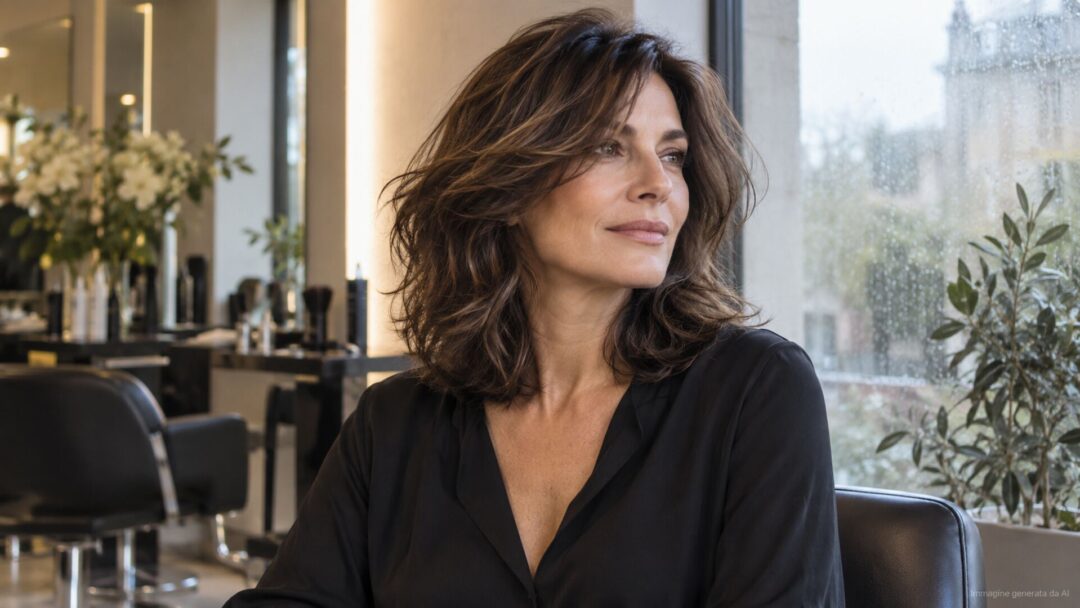
Does your hair leave the salon smooth, then expand in the wrong places as soon as the air turns humid? The blow-dry is not always the problem. Sometimes the shape, weight and perimeter of the haircut work against the natural texture.
A haircut cannot remove frizz or control the weather. It can distribute volume better, reduce a triangular silhouette and make home styling easier.
Why some haircuts expand more than others
Humidity makes the real behaviour of the hair more visible. Layers that are too short may lift the crown. A very solid perimeter may widen the ends. Aggressive thinning may leave light sections that separate and lose cohesion.
The answer is not simply “add more layers” or “never layer”. The stylist must decide where volume should remain and where weight can be removed.
The MDP Matrix: texture, density and perimeter
Before choosing the haircut, check three factors. We call this the MDP Volume Matrix. It does not promise humidity-proof hair; it helps prevent the wrong shape.
1. Texture
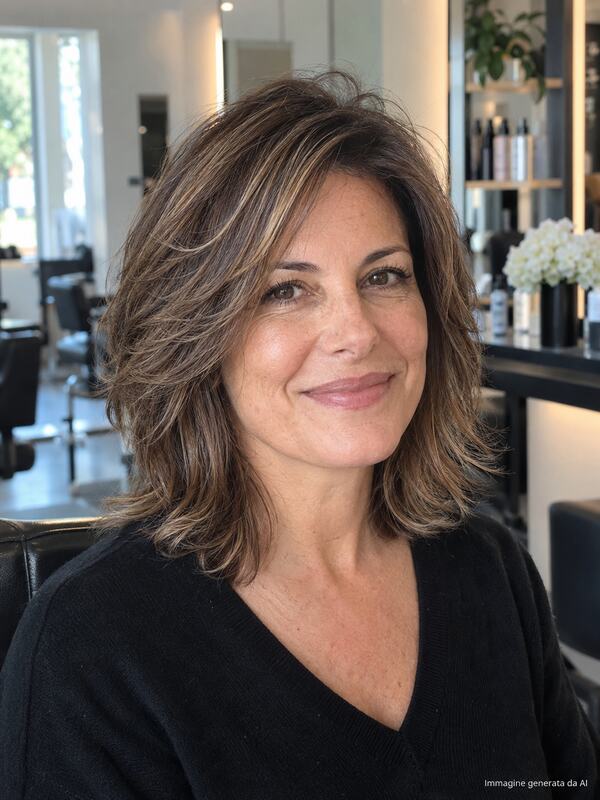
Observe the hair dry and without stretching it with a brush or iron. When natural movement is already visible through the lengths, the sections need room to move without losing the overall shape.
2. Density
Two clients with wavy hair may need opposite solutions. High density may benefit from removing weight in precise areas. Fine hair can look thinner if too much is removed. The same care is needed with invisible layers for fine hair after 40.
3. Perimeter
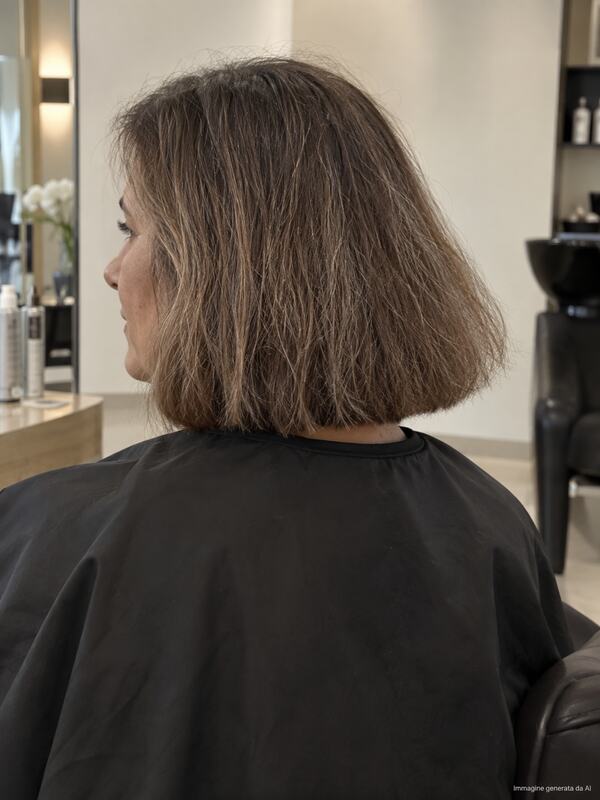
The point where the haircut meets the shoulders, neck or jaw changes the direction of the ends. A solid bob can look beautiful, but on some textures its weight sits low and creates a triangular shape. Check the front, profile and nape instead of copying one reference image. Our guide to Pinterest photos and salon consultations explains why.
Four shapes that may help
- A slightly graduated long bob: keeps a strong outline while freeing some weight at the nape.
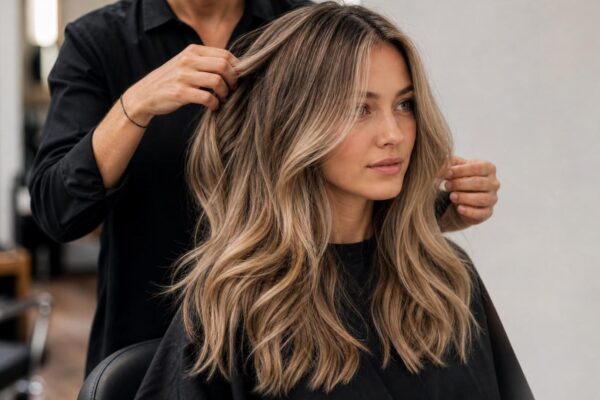
- A medium cut with long layers: spreads volume without creating short, difficult layers.
- A soft shag: works when the natural texture already moves and the client accepts a less controlled finish.
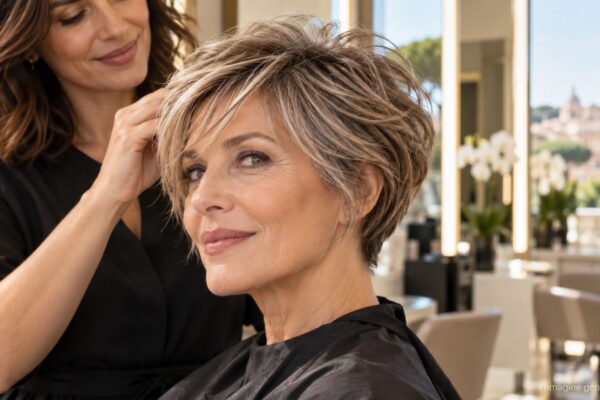
- A soft bixie: can work for shorter hair when top, side and back volume are carefully designed. Read our soft bixie after 50 guide.
Haircuts that need more careful planning
No haircut is forbidden. However, a highly geometric bob, very short crown layers or extreme thinning need extra care when hair tends to expand. The position of the parting also changes volume distribution; compare it before cutting rather than correcting the shape later.
Four questions for the consultation
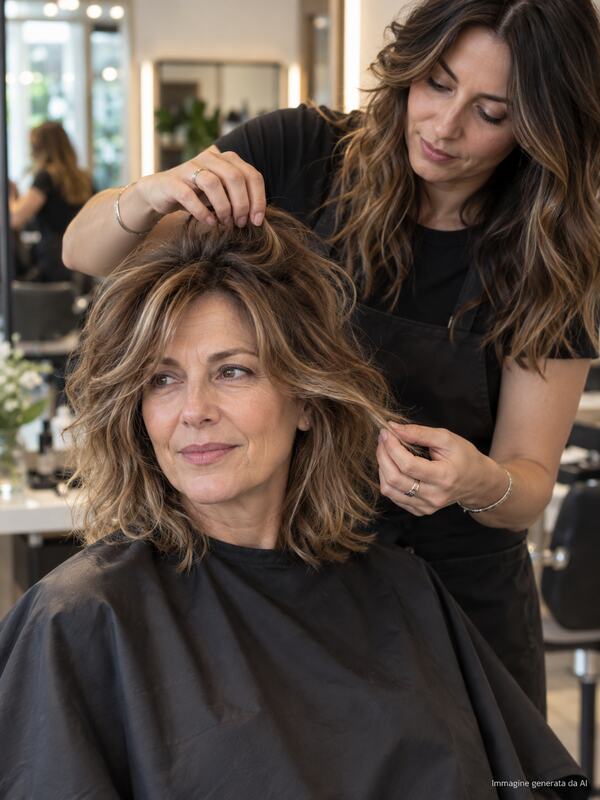
- How do you dry your hair on normal days?
- Where does it expand first in humid weather?
- Do you want to control volume or enhance it?
- How much time do you really spend styling?
A photo of the client’s hair dried at home can be more useful than ten saved online references. More practical ideas are available in our English hair trends archive.
MDP verdict
The right haircut does not fight texture; it organises it. Check texture, density and perimeter before cutting shorter or adding layers. If one factor is ignored, humidity will expose the weakness.
Where does your hair expand most: crown, sides or ends? Tell us in the comments.