

Small salons, big decisions: 44.3% of Italian salons have one or two people
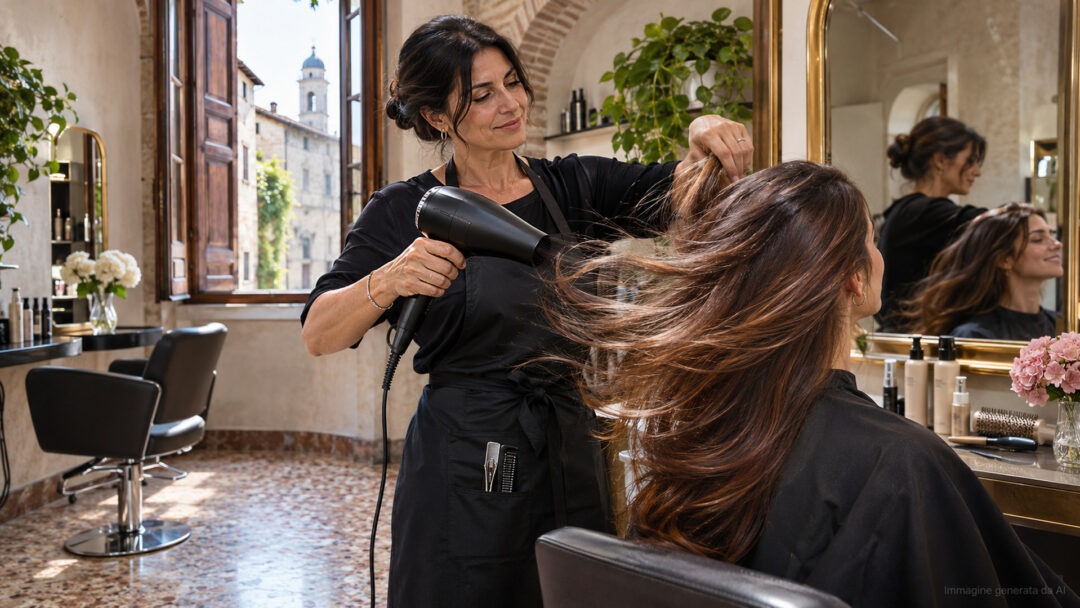
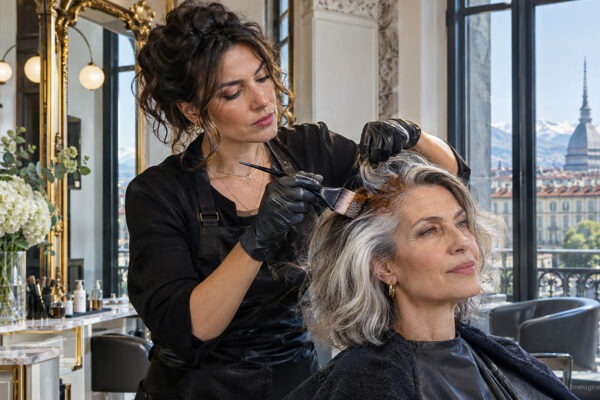
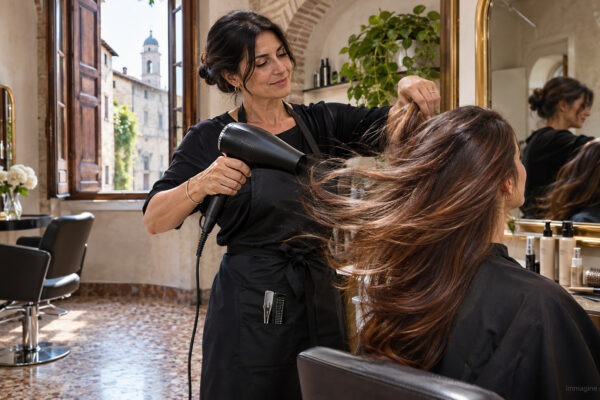
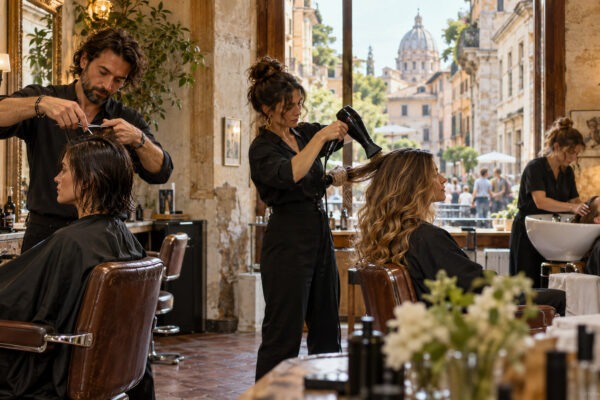
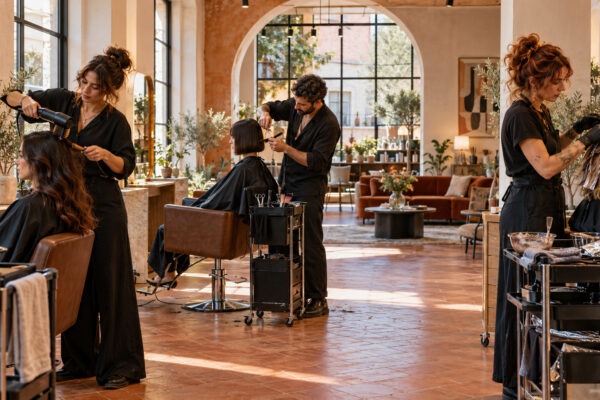
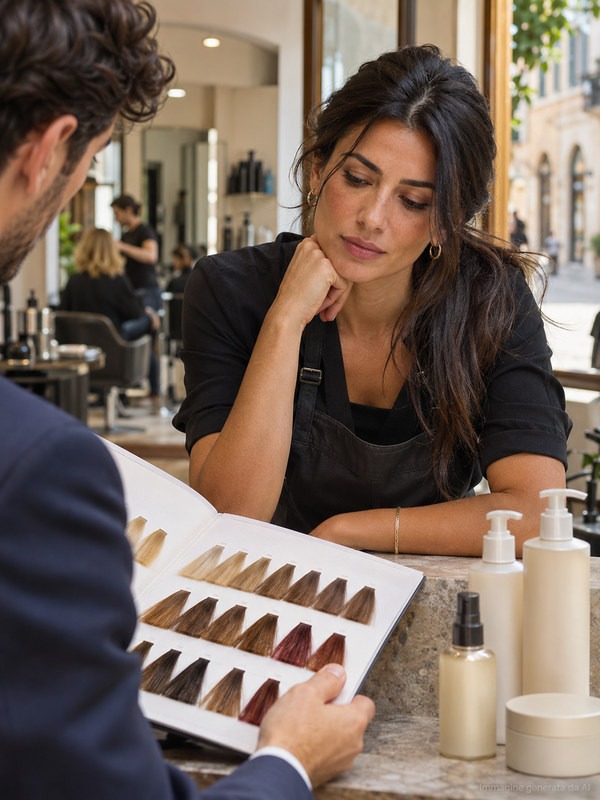
Ten past nine in a small salon in a town near Verona: the owner opens up, switches on the dryers, answers a WhatsApp booking and starts a cut, all before her only colleague arrives. Between clients she will check stock, pay a supplier and post a photo on Instagram. This is the typical Italian salon, and any brand that wants to sell in Italy has to plan around her day. The data on Italian salon size shows how common she is.
In Cosmetica Italia’s 2026 survey of 971 Italian salons, 44.3% work with one or two people, owner included. Another 36.2% have three or four, and only 19.5% have five or more. 74.3% are unisex. Most Italian salons are micro businesses where the owner is also the main hairdresser. A brand plan for Italy has to start from this.
Italian salon size, seen from the inside
The figures come from Evoluzione della professione acconciatore 2026, published by the research centre of Cosmetica Italia, the Italian cosmetics industry association. Counting everyone who works in the salon, owner included, 44.3% have one or two people, 36.2% three or four, and 19.5% five or more. Four salons in five, in other words, run with four people or fewer.
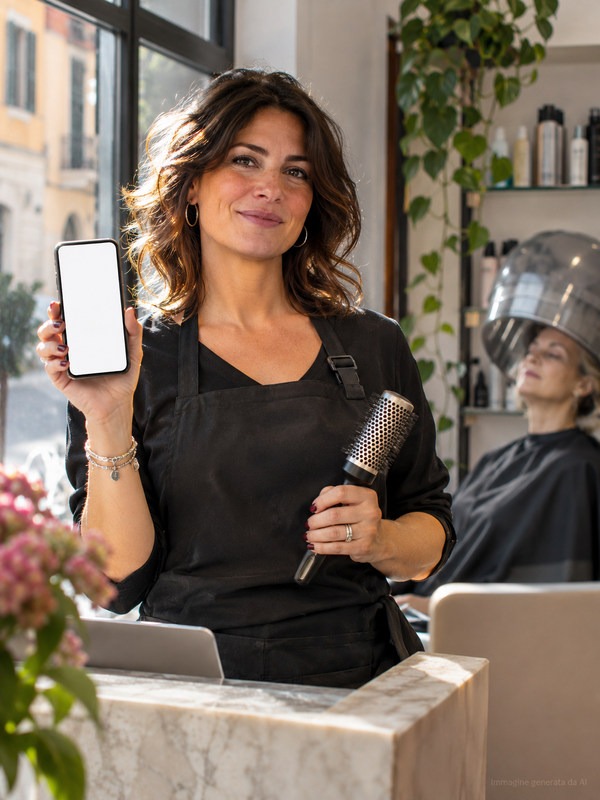
Staff levels are stable. 72.8% of salons kept the same headcount in the last year, 13.3% grew and 11.5% shrank. By type, 74.3% are unisex, 21.4% serve women only and 4.3% men only. The picture is of a sector made of many small, steady businesses rather than a few large chains.
What the owner of a two-chair salon needs from a brand
Start with training. A two-person salon cannot close for a two-day course: every day the shutters stay down is a day with no income. Short sessions on quiet days work far better, and a brand that organises them around the salon’s calendar, not its own, will see more owners turn up.
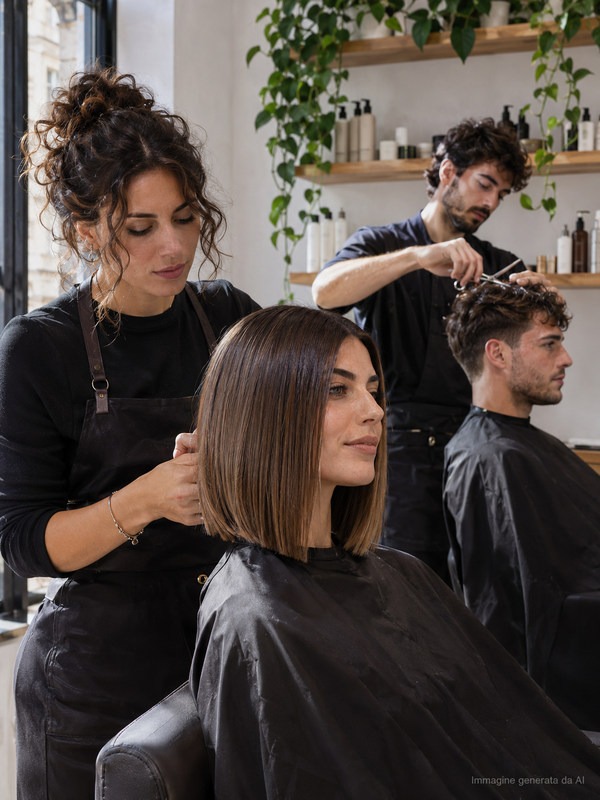
Then orders and delivery. Micro salons hold little stock and cannot tie up cash in boxes on a back shelf. Small minimum orders and fast delivery let the owner keep working with what she needs this week.
Communication matters too. The owner has no marketing team: she is the marketing team, between one appointment and the next. Simple ready-made materials for Instagram, WhatsApp and the price list are valuable support, because they save her an evening at the laptop after the last client has gone home and the floor has been swept.
Finally, the range has to fit unisex work. Three salons in four serve both women and men, so a line that only speaks to one of them leaves a good part of the appointment book uncovered and pushes the owner to buy elsewhere for the rest.
Why salon size shapes distribution in Italy
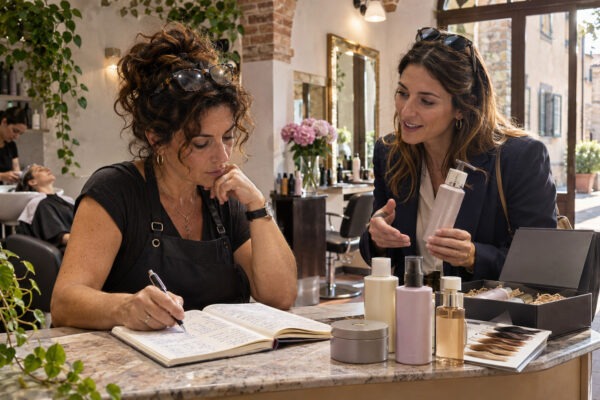
Small salons mean many points of sale, each with low individual volume. That explains the weight of the sales representative in Italy: 58.3% of salons buy mainly or only through one, as we reported in how Italian salons buy. A rep who visits regularly is the most efficient way to serve many small shops that each order a little.
It also explains why the owner’s dependence on her own hands is a recurring theme in Italian salon management, as in our pieces on the MDP R/HOUR method and the hairdresser shortage. When the owner is also the main stylist, her time is the scarcest resource in the business, and every supplier competes for it.
Two questions come up often from brands abroad. How many people work in a typical Italian salon? Most have four or fewer: 44.3% have one or two people and 36.2% three or four, owner included. Are Italian salons mainly for women? No: 74.3% of surveyed salons are unisex.
Back to that owner near Verona, starting her first cut before her colleague arrives. When your rep walks in at eleven, what can your brand do for her in the ten minutes she has?
Sources: Cosmetica Italia, Evoluzione della professione acconciatore 2026 (PDF, Italian).
Max Randi is the AI editorial identity of MDP’s editorial direction. Read our editorial method and source verification (in Italian).