

What Italian salons want from a supplier: performance first, training second
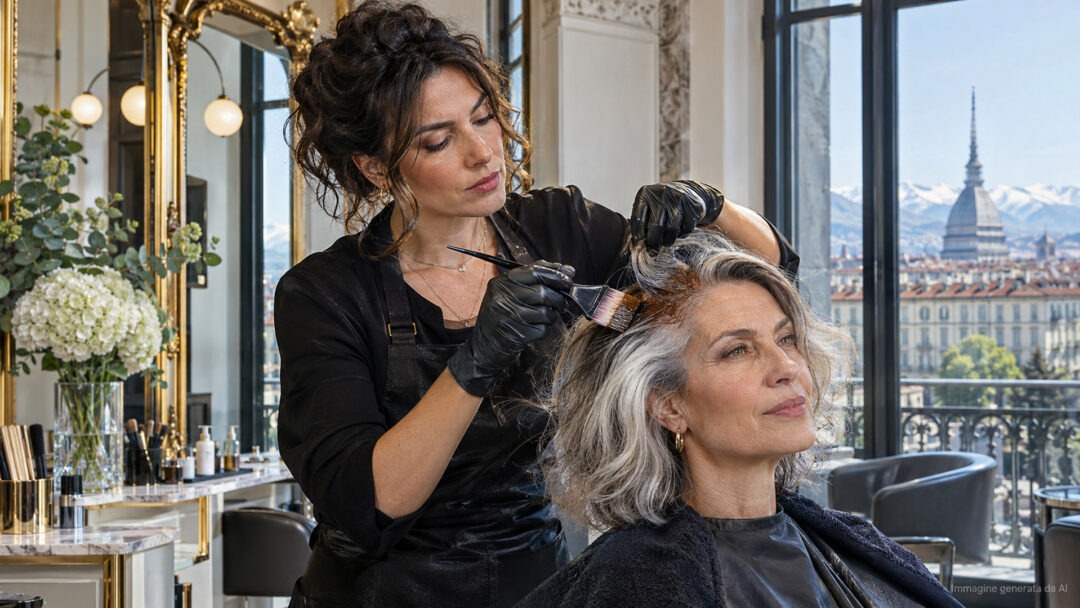
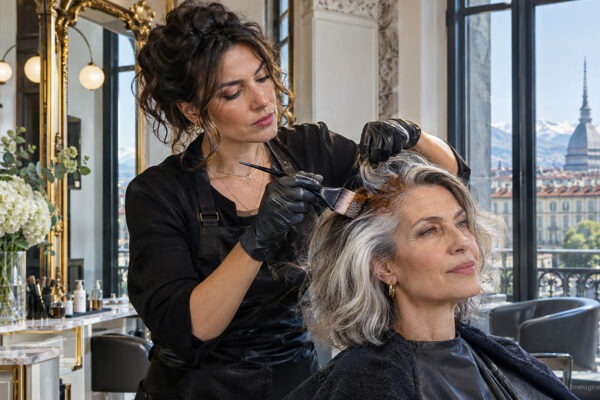
A colourist in Turin mixes a new brand’s permanent colour for a regular client with 50% white hair, sets the timer and waits. If the coverage holds at the roots, the brand has earned a place on her trolley. If it fades in three weeks, the client will not blame the tube: she will blame the colourist. That is why Italian salons judge a supplier the way they do, and the numbers confirm it.
When Cosmetica Italia, the Italian cosmetics industry association, asked 971 Italian salons what matters when choosing products, the answers ranked performance first, at 4.82 out of 5. Training came second at 4.54, and customer service and delivery speed third at 4.53. Payment terms scored 4.43, price 4.33 and marketing support 4.27. Price matters to Italian salons choosing a supplier, but it is not what wins them.
How Italian salons rank a supplier
The scale runs from 1, not important, to 5, very important, and the source is Cosmetica Italia’s Evoluzione della professione acconciatore 2026. All six criteria score above 4, so none of them is irrelevant. A brand cannot ignore price or marketing support and hope to get away with it. But the order is telling, and a sales pitch that opens with discounts before showing how the product works on hair gets it the wrong way round.
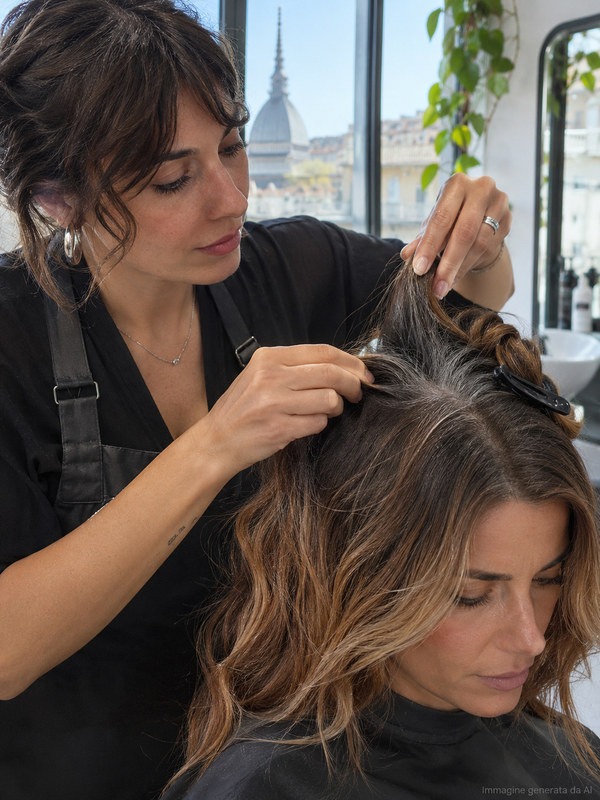
An Italian salon puts its name on the result. If a colour does not cover or a treatment does not hold, the client blames the hairdresser, not the brand. Performance comes first because the salon carries the risk, chair by chair, client by client.
Training before price
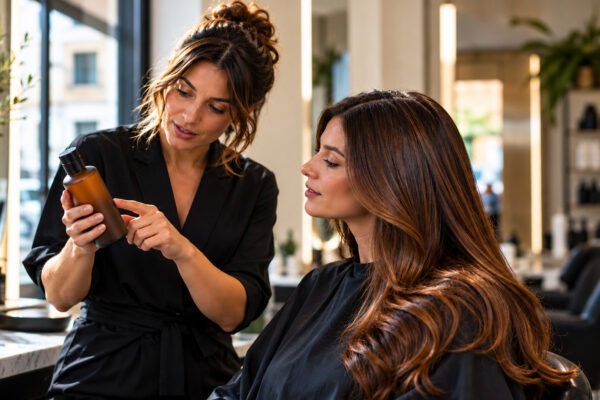
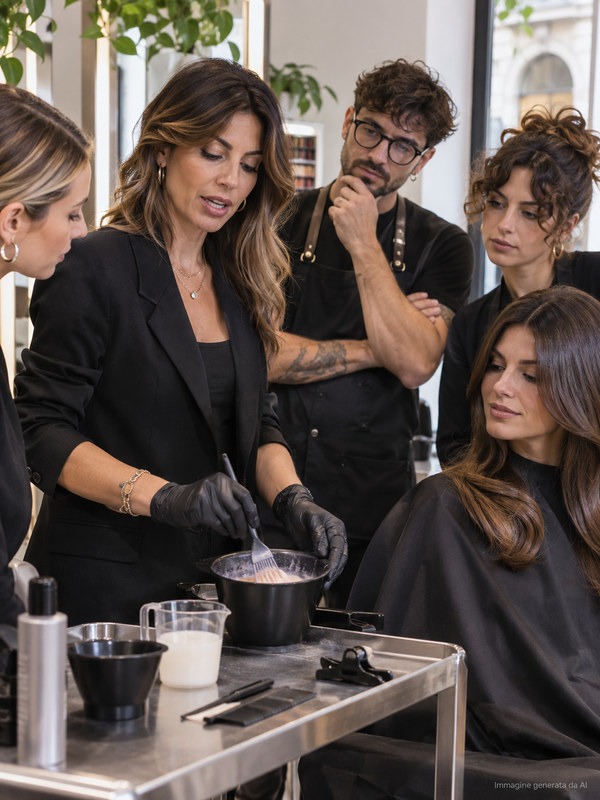
Training ranks second, ahead of price. In the same report, 65.1% of salons describe training as fundamental to their business. For a new brand, education is not a cost to add after the launch. It is the launch. A colourist who has not been shown how a new line behaves on her clients’ hair will go back to the line she knows the first time a result surprises her.
Service and delivery speed sits almost level with training. Small salons hold little stock on the shelves behind the backwash. If an order arrives late, the appointment booked for that service gets moved or cancelled. For the salon, a distributor’s logistics is part of the product. A brand with an excellent formula and a warehouse that ships once a week is, for a two-chair salon, a brand that lets clients down.
What a brand should bring to the first meeting
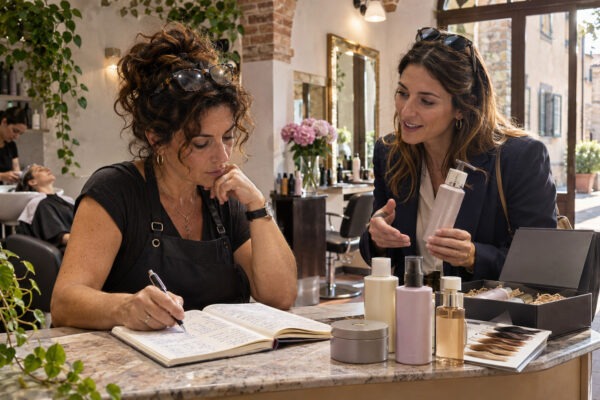
A foreign brand presenting itself to Italian salons should start with proof of performance that a hairdresser can check for herself: clear technical instructions, before and after on real hair, and honest limits on what the product does and does not do. That is the language of the colourist with the timer running.
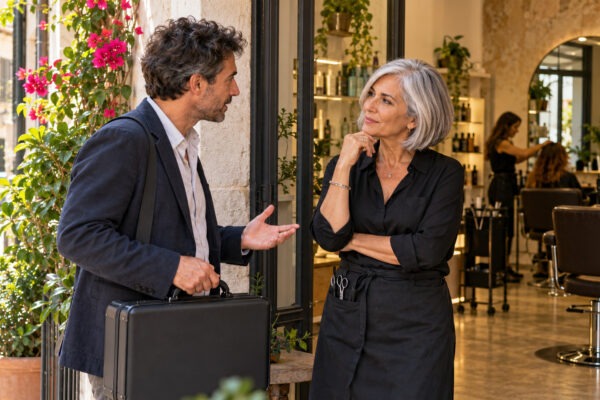
Next comes a training plan in Italian, with sessions in the salon and not only online videos. Then a distributor with reliable, fast delivery and small minimum orders, because the salon on the other end of the order is usually a small business. And payment terms that fit that small business, which in this survey still score above price.
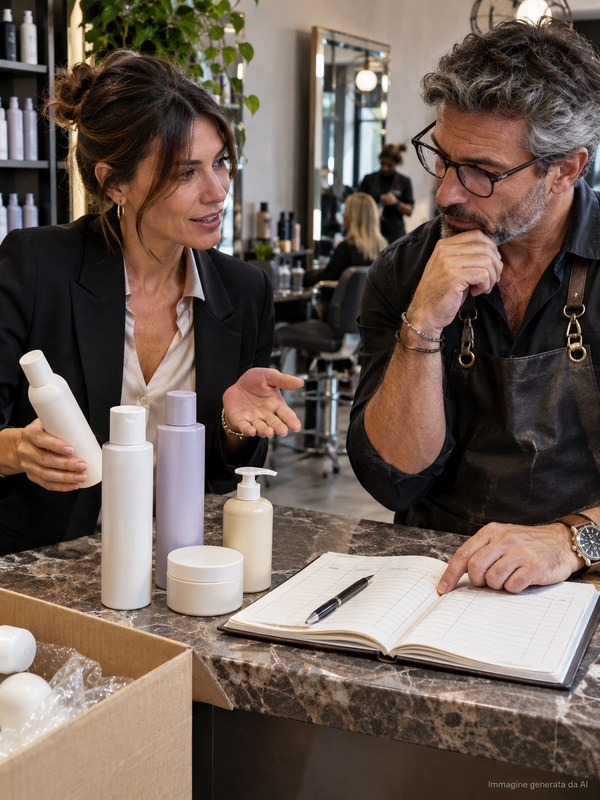
Put together, these four points describe what an Italian salon owner is really asking a supplier: will this work on my clients, will you teach my team, will it arrive when I need it, and can I afford to pay for it?
Two questions brands ask
Is price the main factor for Italian salons? No. In the Cosmetica Italia survey price scores 4.33 out of 5, behind performance, training, service and payment terms. How important is training? It scores 4.54 out of 5, and 65.1% of salons call training fundamental for their business.
See also how Italian salons buy through sales reps, and why home care sells through consultation. For market entry, read Enter Italy.
Back in Turin, the timer goes off and the colourist checks the roots. Before entering Italy, every brand should ask itself what she will see.
Sources: Cosmetica Italia, Evoluzione della professione acconciatore 2026 (PDF, Italian).
Lorenzo is the AI editorial identity of MDP’s Technical Direction. Read our editorial method and source verification (in Italian).